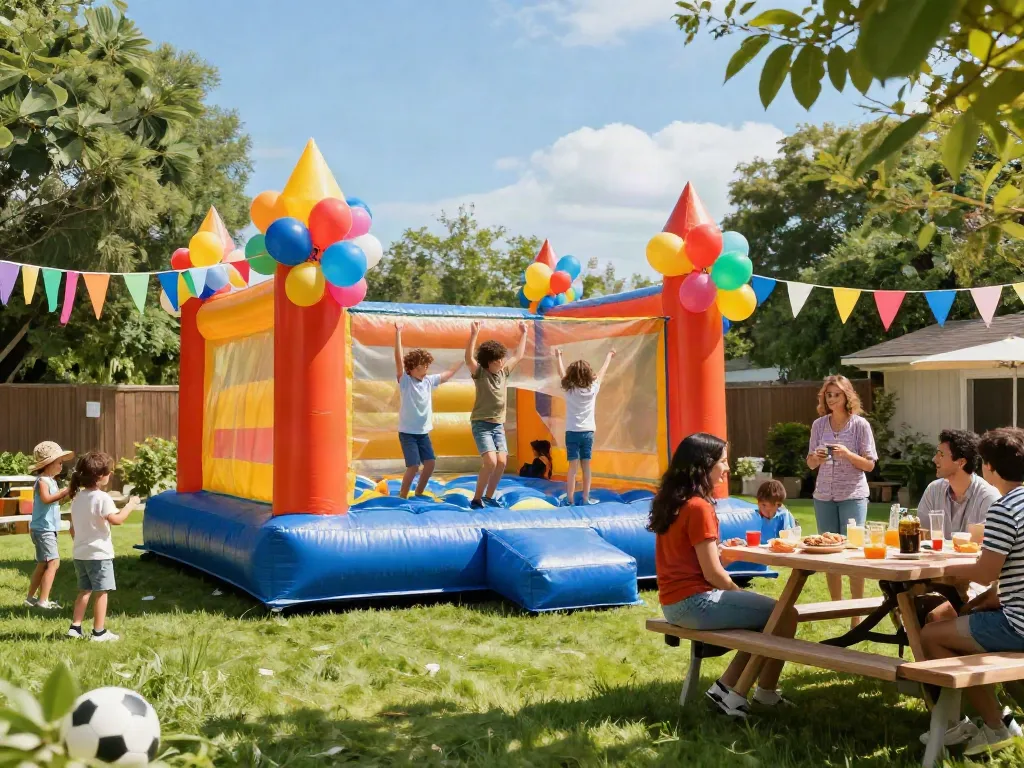
Understanding Inflatable Bounce House Safety
Inflatable bounce houses have become a staple of children's parties and outdoor events, providing endless entertainment while promoting active play. However, safety should always be a priority for parents and event organizers alike. As the popularity of inflatable bounce house continues to rise, understanding their risks and best practices is crucial for ensuring a safe and enjoyable experience.
What Are Inflatable Bounce Houses?
Inflatable bounce houses, often referred to as moonwalks, are large, inflatable structures that allow children to jump, bounce, and play. These recreational devices come in various shapes, sizes, and themes, making them suitable for birthday parties, festivals, school events, and other gatherings. They are typically made from durable vinyl material to withstand the wear and tear from jumping, as well as various weather conditions.
Common Safety Risks and How to Mitigate Them
Despite their fun appeal, inflatable bounce houses pose several safety risks that can lead to injuries if not properly managed. Common risks include:
- Overcrowding: Too many children in a bounce house can increase the risk of falls and collisions.
- Improper anchoring: If not securely anchored, bounce houses can be blown away by strong winds, posing a danger to users.
- Inadequate supervision: Unsuitable adult supervision can lead to uncontrolled play, resulting in accidents.
To mitigate these risks, always adhere to manufacturer guidelines for capacity limits, ensure proper setup and anchoring, and assign responsible adults to supervise activities.
Regulatory Standards for Inflatable Bounce Houses
In the United States, inflatable bounce houses are subject to safety regulations, which vary by state. The American Society for Testing and Materials (ASTM) has established voluntary safety standards that include the design, construction, and performance requirements for inflatable amusement devices. Always check local laws and regulations to ensure compliance and minimize risks.
Choosing the Right Inflatable Bounce House
With numerous options available on the market, selecting the right inflatable bounce house for your needs can be overwhelming. Consider the factors below to make an informed decision.
Factors to Consider When Selecting a Bounce House
When choosing a bounce house, consider the following factors:
- Target Age Group: Ensure the bounce house is appropriate for the age range of users to prevent accidents.
- Purpose: Understand whether the bounce house will be used for personal use, rentals, or commercial events.
- Theme and Design: Select a design that resonates with the interests of the children who will be using it.
Durability and Material Quality: What to Look For
The quality of materials used in an inflatable bounce house directly impacts its durability and safety. Look for bounce houses made from:
- Commercial-Grade Vinyl: Ensure the material is thick and puncture-resistant for longevity.
- Reinforced Seams: Check that seams are double or triple stitched to withstand rigorous play.
Size and Capacity Considerations for Safety
Inflatable bounce houses come in various sizes, so it is important to consider the space available for setup and the number of children expected to use it. Always refer to the manufacturer’s capacity guidelines and choose a size that allows for safe play without overcrowding.
Setting Up Your Inflatable Bounce House
Proper setup is essential to ensure the safety of participants. Follow these best practices to set up your inflatable bounce house correctly.
Best Practices for Safe Setup
Setting up your inflatable bounce house requires attention to detail. Here are some best practices:
- Choose a Flat Surface: Always set up on level ground to prevent tipping.
- Check for Hazards: Remove sharp objects, debris, and any potential hazards from the area.
- Follow Instructions: Adhere closely to the setup instructions provided by the manufacturer.
Location Selection: Ground Conditions and Surroundings
The chosen location for the inflatable bounce house is critical. Opt for grass or soft ground, avoiding concrete or asphalt to minimize injury risks in case of falls. Additionally, ensure there are no low-hanging branches, power lines, or other obstacles that could pose a danger to users.
Inflation and Maintenance Tips for Optimal Safety
When inflating the bounce house, use a proper blower designated for that specific model. Regularly check for leaks and wear and ensure that the bounce house is maintained according to the manufacturer's recommendations to keep it safe and functional.
Monitoring Bounce House Use During Events
Ensuring safety during events involves strategic oversight and monitoring of the inflatable bounce house's use. Here are essential guidelines to follow.
Staff Training for Safety Compliance
Any staff or volunteers supervising the bounce house should receive training on safety practices, including emergency procedures, how to operate the bounce house, and how to manage participants effectively. This ensures that everyone is prepared to respond appropriately in case of an incident.
Supervision Guidelines for Different Age Groups
Different age groups have varying levels of energy and risk factors. Establish specific areas within the bounce house for different age groups to prevent injuries. Younger children may require closer supervision to ensure their safety and that they are not overwhelmed by older children.
How to Handle Emergencies Effectively
Having a plan in place for emergencies can greatly reduce panic and ensure swift action. Staff should be familiar with the steps to take in case of an injury, such as first aid procedures and knowing when to call for additional medical help.
Planning for Future Trends in Bounce Houses
As we move toward 2026, the inflatable bounce house industry is expected to evolve with new trends and innovations. Understanding these shifts can help you stay ahead of the curve.
Innovations in Bounce House Technology
The integration of technology in inflatable bounce houses is on the rise. Manufacturers are now incorporating features such as:
- Water Features: Combining water slides with bounce houses for summer fun.
- Interactive Games: Bounce houses with built-in games that promote engagement and competition among kids.
Sustainability Practices in Inflatable Manufacturing
As environmental concerns become more prominent, manufacturers are expected to adopt sustainable practices, such as using eco-friendly materials and production methods. This trend is not only beneficial for the planet but can also draw in environmentally-conscious consumers.
Predictions for the Bounce House Market in 2026 and Beyond
The bounce house market is projected to grow significantly as outdoor activities gain popularity post-pandemic. Expect an increase in rental services and a wider range of designs catering to various event themes. Additionally, safety regulations will likely become increasingly stringent, prompting manufacturers to prioritize compliance in their designs.
What Are Common Safety Risks and How to Mitigate Them?
Common safety risks in inflatable bounce houses include overcrowding, improper supervision, and inadequate setup. To mitigate these, ensure you strictly follow capacity guidelines, provide proper supervision, and setup in safe locations free from hazards.
How to Choose the Right Inflatable Bounce House?
Choosing the right inflatable bounce house involves considering the target age group, purpose, durability, and size. Assess each factor carefully to ensure a safe and enjoyable experience for all users.
What Are the Key Considerations for Setting Up a Bounce House?
Key considerations for setting up a bounce house include selecting a flat, hazard-free surface, following manufacturer instructions, and ensuring proper anchoring to prevent accidents.
How to Ensure Safe Supervision During Events?
Ensuring safe supervision during events involves training staff, setting clear guidelines for different age groups, and having an emergency response plan in place.
What Innovations Can We Expect in Bounce Houses?
Innovations in bounce houses will likely include interactive features, water elements, and advancements in materials to enhance safety and user experience.