
Effective NSA Compliance Solutions for 2026: Advanced Testing Strategies
Understanding NSA Compliance in EMC Testing
In the rapidly evolving landscape of technology, achieving compliance with the National Security Agency’s (NSA) standards is of paramount importance—particularly in the fields of electromagnetic compatibility (EMC) and radio frequency (RF) testing. Ensuring that your products meet these rigorous standards isn’t just a legal obligation; it’s essential for maintaining consumer trust and ensuring the safety and reliability of technological devices. Compliance extends beyond mere testing; it encompasses a full understanding of regulations, an adoption of best practices, and the implementation of robust testing protocols. When exploring options, NSA compliance can be effectively navigated through partnerships with experienced laboratories dedicated to meeting these standards.
What is NSA Compliance?
The National Security Agency (NSA) plays a critical role in safeguarding U.S. national security, which includes overseeing the compliance of various technologies that may impact this mission. NSA compliance involves rigorous standards and guidelines designed to ensure that products, especially those related to telecommunications and information technology, do not interfere with national security systems. Compliance is achieved through a series of tests and evaluations that address potential electromagnetic interference (EMI) and susceptibility to external disturbances.
Importance of EMC Testing for NSA Standards
EMC testing is crucial for verifying that electronic devices operate as intended without causing or being affected by electromagnetic interference. For organizations aiming to align with NSA standards, EMC testing ensures that all products are resilient against external EMI sources and do not emit harmful interference. This is especially pertinent for products that are integrated into national defense systems or critical infrastructure, where any operational failure can have severe consequences.
Key Regulations and Standards to Consider
Several key regulations and standards are integral to achieving NSA compliance in EMC testing. These include:
- FCC (Federal Communications Commission): This standard governs the emission of electromagnetic radiation from devices in the United States.
- ISED (Innovation, Science and Economic Development): Canada’s regulatory framework for communication devices, crucial for cross-border compliance.
- CE Marking: Indicates compliance with European Union safety, health, and environmental protection standards.
- ETSI (European Telecommunications Standards Institute): Ensures interoperability and compliance of telecommunications equipment in Europe.
Expertise and Facilities at Stancer Testing-Lab
Overview of Stancer’s Testing Capabilities
Stancer Testing-Lab provides a comprehensive suite of EMC and RF testing services tailored to meet NSA compliance requirements. With a team of experienced engineers, Stancer offers expertise in testing across various industries, focusing on delivering high-quality results that facilitate smooth certification processes.
Advanced Technologies Used in Testing
The lab utilizes cutting-edge technology to perform precise measurements and analyses. This includes:
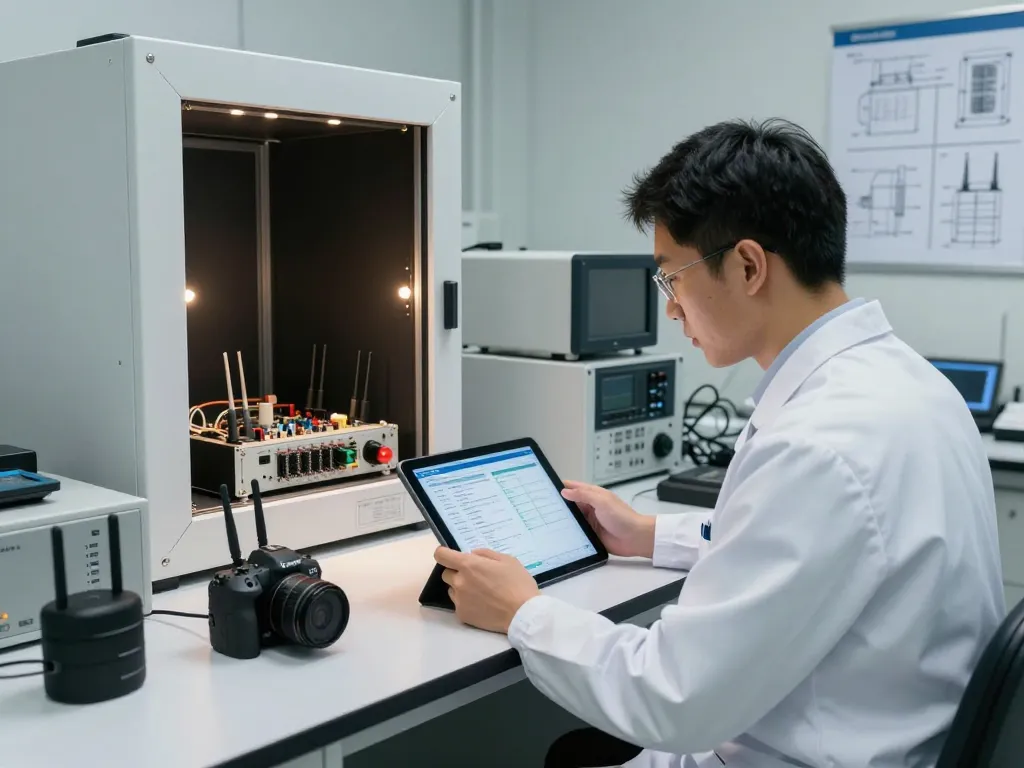
- Advanced Anechoic Chambers: Designed to isolate test subjects from external noise, providing accurate testing conditions for EMC assessments.
- Conducted and Radiated Emission Testing Equipment: Essential for evaluating a device’s emission characteristics to ensure compliance with regulatory limits.
- Immunity Testing Setups: To assess how well a device can withstand external electromagnetic disturbances.
Accreditations and Certifications
Stancer Testing-Lab is A2LA accredited, ensuring our testing procedures meet the highest international standards. We operate under ISO/IEC 17025 certification, which speaks to our competency in testing and calibration across various industries.
Our Comprehensive EMC Testing Services
Radiated Emission and Immunity Testing
Our radiated emission testing evaluates how much electromagnetic energy is emitted from a device under normal operation. This is vital for ensuring that products do not interfere with other electronic devices. Immunity testing, on the other hand, assesses how well a product can function in environments that contain electrical noise, which is particularly important for devices used in critical applications.
RF Testing and Regulatory Compliance
RF testing at Stancer includes comprehensive evaluations to confirm that devices meet all applicable regulations. Our services ensure that your wireless products align with FCC, ISED, CE, and ETSI standards, streamlining your path to market.
Automotive EMC Testing Solutions
In the automotive sector, compliance with EMC standards is critical to ensure vehicle safety and functionality. Stancer offers tailored testing solutions that adhere to international regulations such as ECE Regulation 10 (R10) and ISO 16750, ensuring your vehicles meet essential guidelines.
Consultation and Submission Processes
Initial Consultation: Understanding Your Compliance Needs
Our process begins with a comprehensive consultation to understand your product and its intended use. This is a critical step in identifying specific compliance requirements and tailoring our services to meet your needs.
Testing Procedures and Protocols
Once your needs are clearly defined, we implement a rigorous testing protocol. This involves conducting necessary tests, analyzing results, and providing detailed reports that outline compliance levels and areas for improvement.
Submitting for Certification: What to Expect
After testing, Stancer will assist in compiling the necessary documentation for submission to regulatory bodies. Our experts will guide you through what to expect during the certification process and help address any potential issues that may arise.
Future Trends in NSA Compliance Testing
Emerging Technologies Affecting EMC Testing
The landscape of EMC testing is rapidly changing, driven by advancements in technology such as IoT devices, autonomous systems, and 5G networks. These innovations create new challenges for compliance testing, as they introduce complex interactions within an increasingly crowded electromagnetic environment.
Anticipated Changes in Regulations by 2026
As the technological landscape evolves, regulations governing EMC compliance will also undergo changes. Organizations must stay abreast of developments in both national and international standards to ensure ongoing compliance.
How to Stay Ahead in Compliance and Certification
To maintain compliance as regulations change, companies should engage in preventive testing, regular audits, and continuous education for their teams regarding the latest standards and practices in EMC testing.
What services does Stancer Testing-Lab provide for NSA compliance?
Stancer Testing-Lab offers a full range of EMC testing services, including radiated emissions, immunity testing, RF compliance, and automotive EMC testing solutions tailored to the specific needs of your product.
Why is EMC testing crucial for telecommunications products?
EMC testing is essential for telecommunications products to ensure they function correctly without causing interference in critical communication systems, which is vital for national security and public safety.
How does Stancer ensure quick turnaround for compliance testing?
By leveraging advanced technologies and streamlined processes, Stancer ensures efficient testing and reporting, allowing for a quick turnaround that brings your products to market faster.
What are the key benefits of using Stancer Testing-Lab?
Key benefits include our comprehensive testing services, expert consultation, state-of-the-art facilities, and an experienced team dedicated to ensuring your products meet all necessary compliance standards efficiently.
How often should products undergo EMC testing for compliance?
The frequency of EMC testing can depend on various factors, such as changes in product design, updates in applicable regulations, and intended market use. Regular testing is advisable to ensure ongoing compliance and product reliability.