
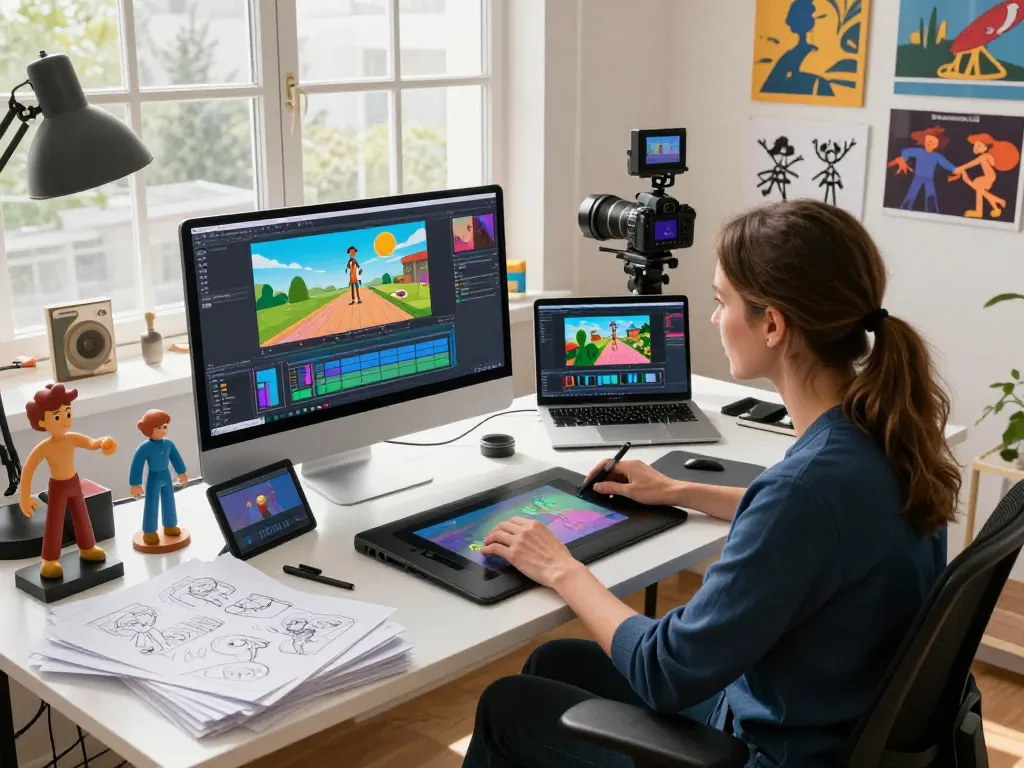
Master Kling Motion in 2026: Advanced Techniques for Professional Animation
Understanding Kling Motion Technology
As the realm of animation continuously evolves, technologies such as Kling Motion are redefining how creators transform static images into dynamic visual narratives. With the recent advancements introduced in Kling’s 2.6 version, animators and content creators can now achieve unprecedented levels of realism and control in their projects. This article delves into the core of Kling Motion, exploring its functioning, advantages over competing technologies, and practical tips to maximize its potential for your creative endeavors. When exploring options, Kling motion offers comprehensive insights into motion control that are indispensable for modern animation.
What is Kling Motion?
Kling Motion represents a significant leap in artificial intelligence-driven animation technology, specifically designed for image-to-video transformations. At its core, this system utilizes advanced algorithms to analyze motion patterns from reference videos and apply them to static images, ensuring a seamless transition between the two mediums. Kling Motion 2.6 enhances this process by offering users the ability to preserve character identity, maintain accurate body proportions, and ensure the coherence of movements across all frames, thereby delivering an exquisite viewing experience.
How Kling Motion Improves Animation
The improvements found in Kling 2.6 are multifaceted, focusing on critical aspects such as motion path control, facial expression accuracy, and overall visual fidelity. One of the most notable advancements is the system’s ability to achieve photorealistic outputs that mimic traditional CGI, without the accompanying complexity. By ensuring each character’s movements are fluid and consistent with the reference video, Kling Motion enables creators to produce high-quality animations that effectively convey emotion and narrative intent.
Comparative Analysis: Kling Motion vs. Other Technologies
In a landscape populated by various animation tools, Kling Motion stands out due to its precision and user-friendly interface. Unlike other image-to-video technologies that may result in visual drift or identity distortion, Kling Motion maintains character identity throughout the animation process. Competitors tend to show significant differences in how they handle facial expressions and dynamic movements, often sacrificing realism for speed. Kling Motion, however, strikes the right balance, offering rapid video generation without compromising on quality.
Getting Started with Kling Motion Control
Before diving into creating animated videos with Kling 2.6, it’s essential to ensure your system meets the necessary requirements. Understanding the setup process and selecting appropriate reference materials is crucial for achieving the best results. Below, we outline the fundamental steps to get you started on your animation journey.
System Requirements and Setup
To begin using Kling Motion effectively, your system should meet the following requirements: a modern CPU with at least six cores, a dedicated GPU supporting AI processing, and a minimum of 16GB RAM. A stable internet connection is also necessary to facilitate quick uploads and downloads of reference materials and generated videos.
Choosing the Right Reference Materials
The selection of reference materials is critical in the animation process. For optimal results, choose images that prominently feature the characters to be animated, ensuring they are well-lit and focused. The reference video should display clear, coherent motion patterns with controlled camera movements. This combination will enable the motion engine to extract the most relevant features for a realistic outcome.
Basic Steps in Creating Your First Animated Video
- Upload a high-quality image of the character you wish to animate.
- Incorporate a reference motion video that demonstrates similar actions.
- Use text prompts to provide additional context for the desired output.
- Click “Generate” to activate the Kling 2.6 engine and preview your animation.
- Once satisfied, export the final video in your preferred format.
Mastering Advanced Features of Kling Motion
Once you’ve grasped the basics, it’s time to explore the advanced features that will take your animations to the next level. Kling 2.6 is equipped with capabilities that allow for intricate detail and customization, enhancing both the creative process and the final output.
Utilizing Text Prompts for Enhanced Customization
Text prompts are a powerful tool within Kling Motion, enabling users to refine their videos further. By describing specific actions, moods, or camera behaviors, you can guide the AI in a way that aligns more closely with your vision. For instance, if you wanted a character to exhibit a cheerful demeanor while dancing, a simple text prompt could convey this intent, resulting in more expressive facial animations.
Advanced Motion Path Control Techniques
For creators looking to master motion control, understanding the intricacies of path control is vital. The Kling 2.6 system allows you to specify motion paths for both characters and cameras, which means you can define how a character moves in relation to the environment and how the camera captures that action. Utilize this feature to create dramatic visual effects and enhance storytelling through motion dynamics.
Tips for Achieving Photorealistic Outputs
Achieving photorealistic animation outputs in Kling 2.6 requires careful attention to detail. Here are some tips to consider:
- Ensure that your image references have a natural background that complements the action.
- Select motion clips with balanced speed and clear movements to avoid disjointed animations.
- Experiment with different lighting conditions in your reference images for varied emotional effects.
Common Challenges and Solutions
While Kling Motion offers exceptional capabilities, users may encounter challenges that can affect the quality of their animations. Here we explore common issues and offer practical solutions to enhance your workflow.
Addressing Identity Preservation Issues
One of the most significant challenges in animation is maintaining character identity throughout movements. To mitigate this, ensure that your reference images and videos have consistent framing. Matching full-body images with full-body clips, or half-body images with half-body clips, helps preserve the character’s likeness, preventing distortion or visual drift.
Performance Optimization for Faster Rendering
Kling Motion is optimized for performance, but further enhancing rendering speed can be beneficial. Ensure your hardware meets or exceeds recommended specifications and close unnecessary applications running concurrently. This will allow the Kling Motion engine to allocate more resources to video generation.
Troubleshooting Common User Mistakes
Errors can occur during the animation process, often stemming from incorrect file formats or incompatible reference materials. Always check that your image and video files are supported formats (.mp4, .mov) and adhere to the specified duration limits (3.5 to 30 seconds depending on orientation) to avoid rendering failures.
Future of Animation with Kling Motion
The landscape of animation technology is constantly changing, with innovations poised to revolutionize how creators approach their craft. Kling Motion is at the forefront of these developments, paving the way for new techniques and applications in motion control.
Upcoming Trends in AI Motion Control for 2027
As we look to the future, trends such as increased use of machine learning algorithms for real-time animation adjustments and enhanced user interfaces are on the horizon. These advancements will simplify workflows and enable more complex animations to be created in less time.
Innovations in Motion Capture and Animation
Innovations like hybrid motion capture technologies, which combine traditional filming with AI processing, will become more mainstream. Kling Motion’s ability to integrate these technologies will empower creators to produce more engaging and visually stunning narratives.
Real-World Applications and Case Studies
Kling Motion’s technology is already being utilized in various sectors, from film and television to educational content creation. Successful case studies demonstrate how businesses can leverage this technology to enhance marketing campaigns and production quality, proving that the potential for Kling Motion extends far beyond traditional animation.
Where to Find Support and Community Resources
As the user base for Kling Motion grows, community support becomes invaluable. Users can access forums, tutorials, and webinars that provide insights into optimizing their use of the software. Engaging with the community can lead to shared knowledge and innovative uses of the technology.
FAQs
How Can I Begin Using Kling Motion for My Projects?
To get started, simply create an account on the Kling Motion platform, upload your reference materials, and follow the steps outlined for video generation. Familiarize yourself with the interface and explore its capabilities.
What Are the Key Benefits of Using Kling Motion?
The primary benefits include precise motion capture, high-quality outputs, and the ability to create expressive animations quickly and efficiently, which collectively enhance your creative potential.
Is Kling Motion Suitable for Commercial Use?
Yes, content generated using Kling Motion can be utilized for commercial projects, provided it adheres to the licensing terms set by the platform.
How Fast Can I Create Videos with Kling Motion?
Rendering times vary based on project complexity, but many users report producing high-quality clips in just minutes, significantly accelerating creative workflows.
What Equipment Do I Need for Optimal Results?
A modern computer with adequate processing power and a dedicated GPU will yield the best results. Additionally, having high-quality reference materials is crucial for achieving the desired animation fidelity.