
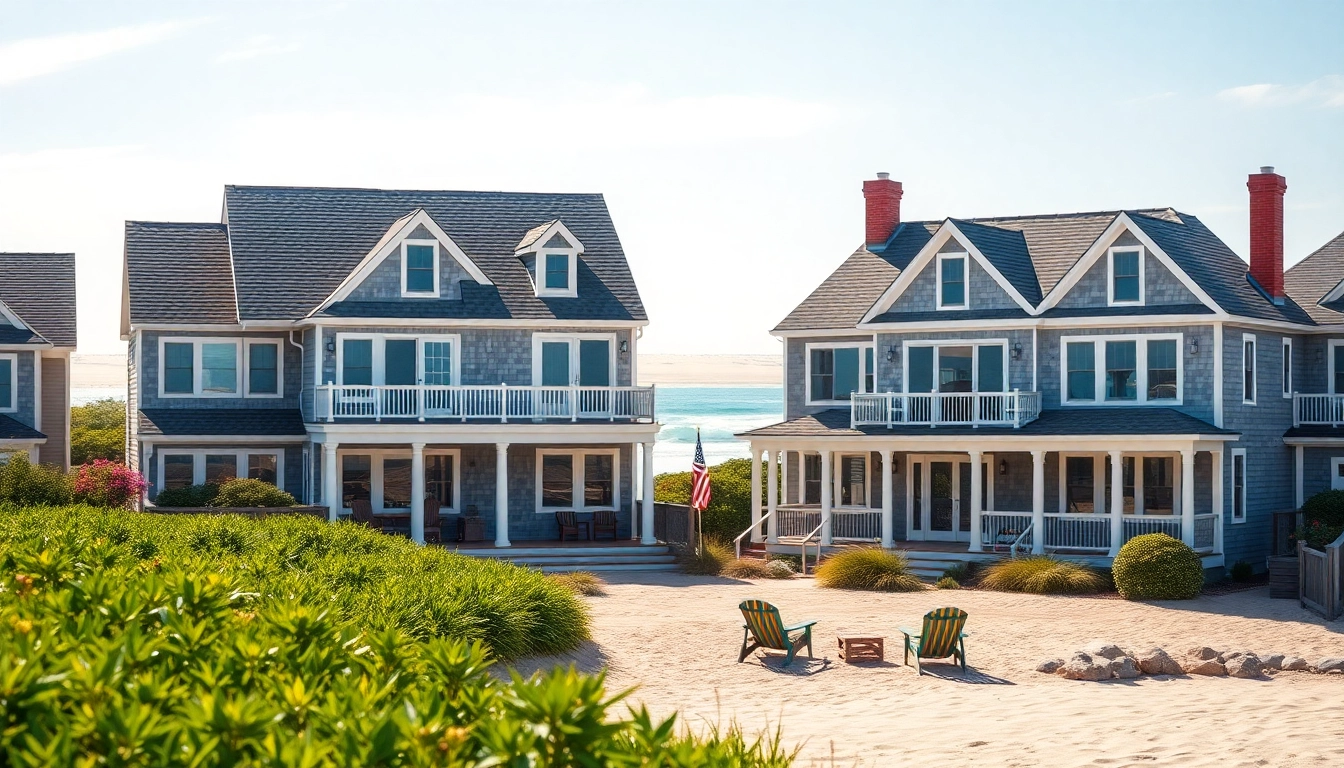
Inviting Features of Cape Cod Homes for Coastal Living
Understanding Cape Cod Homes
Origins and Historical Significance
Cape Cod homes have a rich history that reflects the charm of New England architecture. Originating in the 17th century, these residences were designed to withstand harsh northeastern weather, offering practicality with a touch of grace. Their simplicity in design was mold around the needs of early settlers who sought durability and function. The typical homes were modest, featuring steep roofs, dormer windows, and minimal ornamentation, rooted firmly in Colonial architectural styles. The name itself comes from Cape Cod, a coastal region in Massachusetts, where this distinctive style was first popularized.
Architectural Characteristics
The architectural characteristics of Cape Cod homes are immediately recognizable. These homes typically showcase a symmetrical facade, steep roof lines, and single-story layouts adorned with dormer windows to allow natural light to flood the interior. The exteriors are often clad in wood shingles, which not only provide insulation but also harmonize with the coastal surroundings. Typical features include wide front steps, a centered front door, and functional chimney placements that enhance both the aesthetic and practical aspects of the home. The color palette is often muted, reflecting natural coastal tones, which adds to the serene ambiance.
Why Cape Cod Homes Remain Popular
Despite changing architectural trends, Cape Cod homes maintain their popularity due to their timeless elegance and functionality. Their design fosters a warm and inviting atmosphere, making them favorites for families and seasonal residents alike. The open interior layouts are conducive to both entertaining and intimate gatherings, catering particularly well to modern lifestyles. Moreover, their energy efficiency has been enhanced in contemporary builds, providing a sustainable option for homebuyers. cape cod homes also enjoy a timeless appeal, often becoming cherished family legacies over generations.
Design Elements of Cape Cod Homes
Exterior Design and Materials
The exterior design of Cape Cod homes typically emphasizes simplicity and durability. Often constructed with wood siding or shingles, these materials not only provide aesthetic value but also long-lasting performance against the elements. Shuttered windows, hand-crafted wooden doors, and prominent front porches are common, encouraging outdoor living and interaction with the neighborhood. Homeowners appreciate the variety of paint colors available to personalize their space while still preserving the quintessential Cape Cod look. This flexibility ensures that each home remains unique within its community.
Interior Layout and Features
Internally, Cape Cod homes are structured for comfort and efficiency. The main living areas usually consist of an open-plan design, featuring a combination of kitchen, dining, and living spaces that foster togetherness. Bedrooms are often located on the second floor, utilizing the attic space creatively with sloped ceilings and dormer designs for additional charm. Wood beams, brick fireplaces, and built-in shelving are common interior features, offering both character and functionality. The design allows for customization—a perfect blend of traditional charm and contemporary convenience.
Landscaping and Outdoor Areas
Landscaping around Cape Cod homes typically echoes the natural beauty of the surrounding coastal environment. The compatible flora includes native plants, dune grasses, and low-maintenance perennials that thrive in sandy soils. Incorporating outdoor spaces such as patios, decks, or gardens expands the living area and creates opportunities for outdoor gatherings. Seasonal plantings add splashes of color throughout the year without overwhelming the landscape’s simplicity. Homeowners often prioritize landscape designs that support outdoor activities while maintaining a relaxed coastal vibe.
Benefits of Owning a Cape Cod Home
Investment Potential
Investing in a Cape Cod home can be a wise financial decision. Their historical significance and timeless design often result in robust property values, especially in desirable coastal areas. These homes also attract long-term renters, proving advantageous for those looking to supplement income through vacation rentals. With increasing interest in coastal living, the demand for Cape Cod homes remains steady. Furthermore, many newer constructions incorporate energy-efficient technologies that not only enhance livability but also increase property value.
Community and Lifestyle Benefits
Living in a Cape Cod home typically means becoming part of a vibrant, close-knit community. These homes facilitate welcoming environments where neighbors gather, whether it’s through community events, local farmers’ markets, or simple outdoor activities. The coastal lifestyle appeals to those seeking tranquility and outdoor adventure, with opportunities for sailing, fishing, and hiking readily available. Cape Cod homes encourage a laid-back lifestyle that promotes healthful living and engagement with nature.
Perfect for Seasonal Getaways
For many, Cape Cod homes serve as ideal seasonal getaways. Their inviting design and proximity to diverse recreational activities allow families to create lasting memories. The essence of Cape Cod living is enhanced during summer months with access to pristine beaches, charming villages, and local seafood. These homes offer ample space for hosting friends and family, creating ideal havens for summer gatherings and memorable experiences.
Maintaining Cape Cod Homes
Common Maintenance Tasks
Maintaining a Cape Cod home is essential for preserving its beauty and functionality. Common tasks include regular inspections of roofing and siding, cleaning gutters, and checking for wear on windows and doors. Seasonal maintenance, such as preparing exterior surfaces for harsh winters, is crucial. Homeowners should also ensure that the heating systems are functioning properly and consider upgrading insulation to enhance energy efficiency.
Seasonal Preparation Tips
Proper preparation for changing seasons is vital in owning a Cape Cod home. In summer, focus on ensuring air conditioning systems operate efficiently, while in winter, extra care should be taken to protect plumbing from freezing. Spring is an ideal time for a full exterior wash and inspection, while autumn entails preparing gardens for winter sleep. By staying proactive about seasonal changes, homeowners can mitigate potential problems before they escalate.
Eco-Friendly Practices
With an increased emphasis on sustainability, Cape Cod homeowners are adopting eco-friendly practices. Employing rain gardens, native planting, and solar panels are excellent ways to minimize environmental impact. Using energy-efficient appliances and smart home technologies can further reduce energy consumption, closing the gap between comfort and environmental responsibility. Homeowners can contribute positively to their surroundings while enjoying a healthier living space.
Frequently Asked Questions
What are the typical features of Cape Cod homes?
Typical features include steep roofs, dormer windows, wood siding, and a symmetrical facade. Interiors often feature open layouts and cozy fireplaces.
How can I enhance the curb appeal of my Cape Cod home?
Consider painting the front door a bold color, updating landscaping with vibrant plants, and maintaining clean, attractive walkways for enhanced curb appeal.
Are Cape Cod homes energy-efficient?
Modern Cape Cod homes often incorporate energy-efficient materials and technology, such as improved insulation and energy-efficient windows, enhancing overall efficiency.
What is the maintenance involved in owning a Cape Cod home?
Regular maintenance includes inspecting roofs, siding, and gutters, as well as seasonal tasks like yard care and preparing for winter weather conditions.
Can I build a Cape Cod home in any location?
While Cape Cod homes are inspired by coastal architecture, they can be built in various locations. Local zoning laws and design considerations may influence construction.