
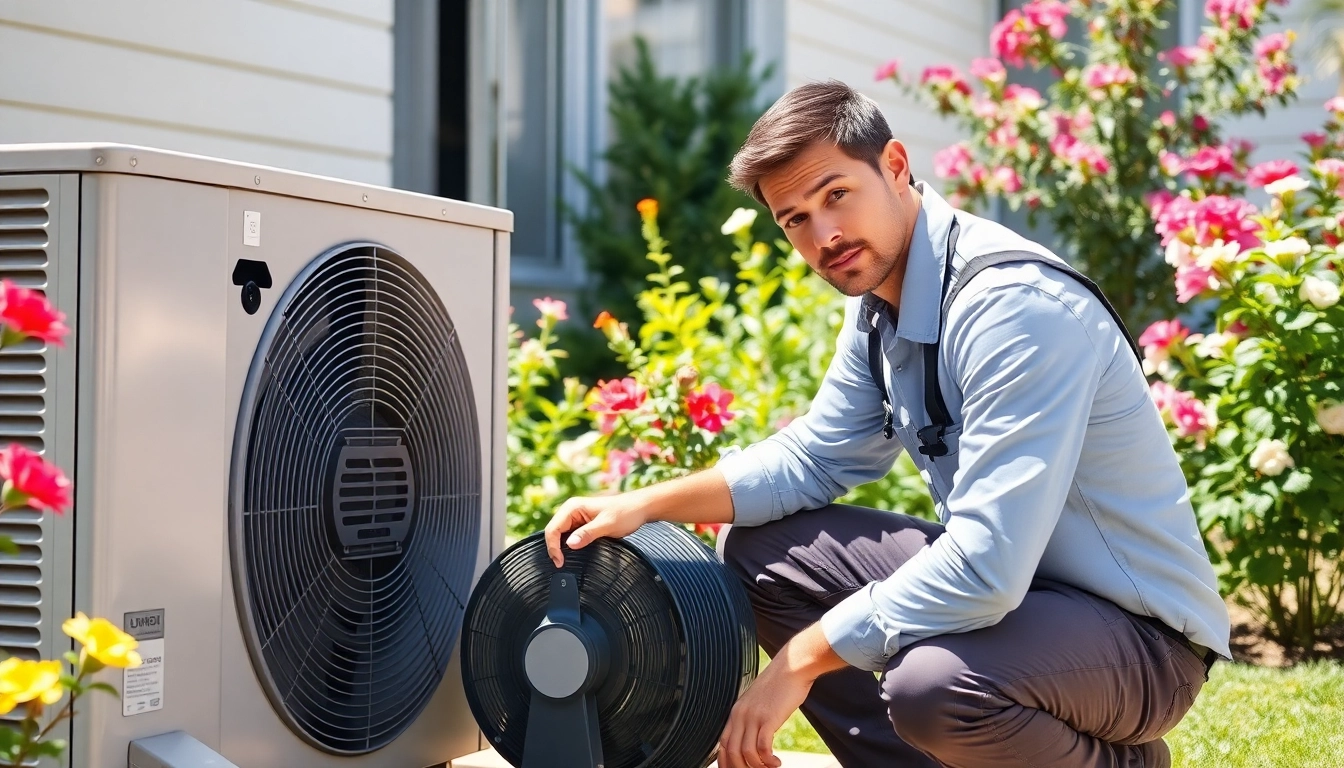
Expert Air Conditioning Repair Tampa: Ensuring Your Comfort Year-Round
Understanding Air Conditioning Systems
Types of Air Conditioning Units
Air conditioning systems come in various types, each designed to fulfill specific cooling needs. The most common types include:
- Central Air Conditioners: Ideal for cooling large spaces, these systems distribute cooled air through ductwork.
- Window Units: Compact and cost-effective, these units are installed in a window and cool individual rooms.
- Portable Air Conditioners: Flexible and mobile, portable units can be moved from room to room, ideal for renters.
- Ductless Mini-Splits: Offering efficiency without ductwork, these systems consist of an indoor and outdoor unit, perfect for targeted cooling.
- Hybrid Systems: These units combine different types of cooling methods, often switching between electric and gas-powered for efficient energy use.
How Air Conditioning Systems Work
An air conditioning system operates through a cycle that removes heat from indoor air. Here’s a simplified overview of how it works:
- Evaporation: Refrigerant absorbs heat from the interior air in the evaporator coil, changing from liquid to gas.
- Compression: The gas is compressed in the compressor, raising its temperature and pressure.
- Condensation: The hot gas passes through the condenser coils where it releases heat and reverts to liquid form.
- Expansion: The refrigerant then flows through an expansion valve, lowering its pressure and temperature before re-entering the evaporator coil.
This cycle continues, effectively cooling and dehumidifying your space. Understanding this process can help you appreciate the importance of professional Air Conditioning Repair Tampa when issues arise.
Importance of Regular Maintenance
Regular maintenance of your air conditioning system is crucial for several reasons:
- Efficiency: Routine checks ensure the system operates at peak efficiency, reducing energy consumption.
- Longevity: Keeping components clean and appropriately calibrated can extend the lifespan of the unit.
- Cost Savings: Preventive maintenance can catch small problems before they escalate into costly repairs.
- Improved Air Quality: Regular servicing helps filter out dust and allergens, promoting better indoor air quality.
Signs Your Air Conditioner Needs Repair
Unexpected Sounds or Smells
Unusual sounds, such as banging, hissing, or buzzing, can indicate issues within the system. Unpleasant smells may suggest mold growth or electrical problems — in both cases, immediate attention is necessary to prevent further damage.
Inefficient Cooling Performance
If your air conditioner struggles to maintain the desired temperature, it may be a sign of low refrigerant levels, blocked ducts, or failing parts. This inefficiency not only affects your comfort but also increases energy bills significantly.
Increased Energy Bills
Noticing a spike in energy costs can be alarming, especially if you maintain similar usage habits. This spike often indicates that your air conditioning system is working harder than it should, a clear sign that repairs may be necessary.
Air Conditioning Repair Services
Common Repair Solutions
Air conditioning repairs can range widely, but some common solutions include:
- Refrigerant Leak Repair: Sealing leaks and replenishing refrigerant levels is a frequent repair.
- Compressor Replacement: If the compressor fails, it may need replacement to restore adequate cooling.
- Capacitor Replacement: A faulty capacitor can hinder the system’s ability to start and run effectively.
- Thermostat Calibration: Sometimes, simply recalibrating or replacing the thermostat can resolve cooling issues.
Choosing the Right Technician
Selecting a qualified technician is vital to ensure quality repairs. Look for technicians who:
- Hold necessary certifications and licenses
- Have positive customer reviews and referrals
- Provide detailed estimates and transparent pricing
- Offer warranties on repairs and parts
Cost Considerations for Repairs
The cost of air conditioning repairs can vary significantly based on factors such as:
- Type of Repair: Simple fixes are generally lower in cost, while significant repairs can be more expensive.
- Unit Type: The model and age of the air conditioning unit can affect both the service options and repair costs.
- Time of Year: High-demand seasons may see increased rates due to technician availability.
Always request an upfront quote to avoid surprises later on.
DIY Air Conditioning Troubleshooting Tips
Basic Maintenance You Can Do
Performing simple maintenance tasks can prevent many issues:
- Clean or replace air filters every 1-3 months.
- Check the outdoor unit for debris.
- Ensure vents are unobstructed and clean.
- Keep the thermostat calibrated.
When to Call a Professional
While some issues can be fixed by homeowners, certain symptoms require a professional’s touch, such as:
- Unexplained noises from the unit
- Strange odors, particularly burning or moldy smells
- Inconsistent cooling throughout the home
Preventive Measures to Avoid Repairs
Preventive measures can save you from costly repairs down the road:
- Schedule annual AC maintenance with a professional.
- Invest in a smart thermostat for optimal energy usage.
- Seal any leaks in ductwork to prevent air loss.
FAQs About Air Conditioning Repair Tampa
What are common signs of a faulty AC unit?
If your AC is making unusual noises, emitting strange smells, or failing to cool effectively, it may need repair.
How often should I have my air conditioner serviced?
It’s recommended to have your AC serviced at least once a year to ensure optimal performance and troubleshoot any potential issues.
Can I perform air conditioner repairs myself?
While some minor maintenance like changing filters can be done at home, significant repairs should always be handled by a qualified professional.
What factors affect the cost of air conditioning repair?
Repair costs depend on the severity of the issue, the type of unit, and parts needed for replacement or repair, so always ask for estimates.
How can I extend the lifespan of my air conditioning unit?
Regular maintenance, cleaning filters, sealing ducts, and timely repairs will help prolong your AC system’s lifespan, saving you money in the long run.