
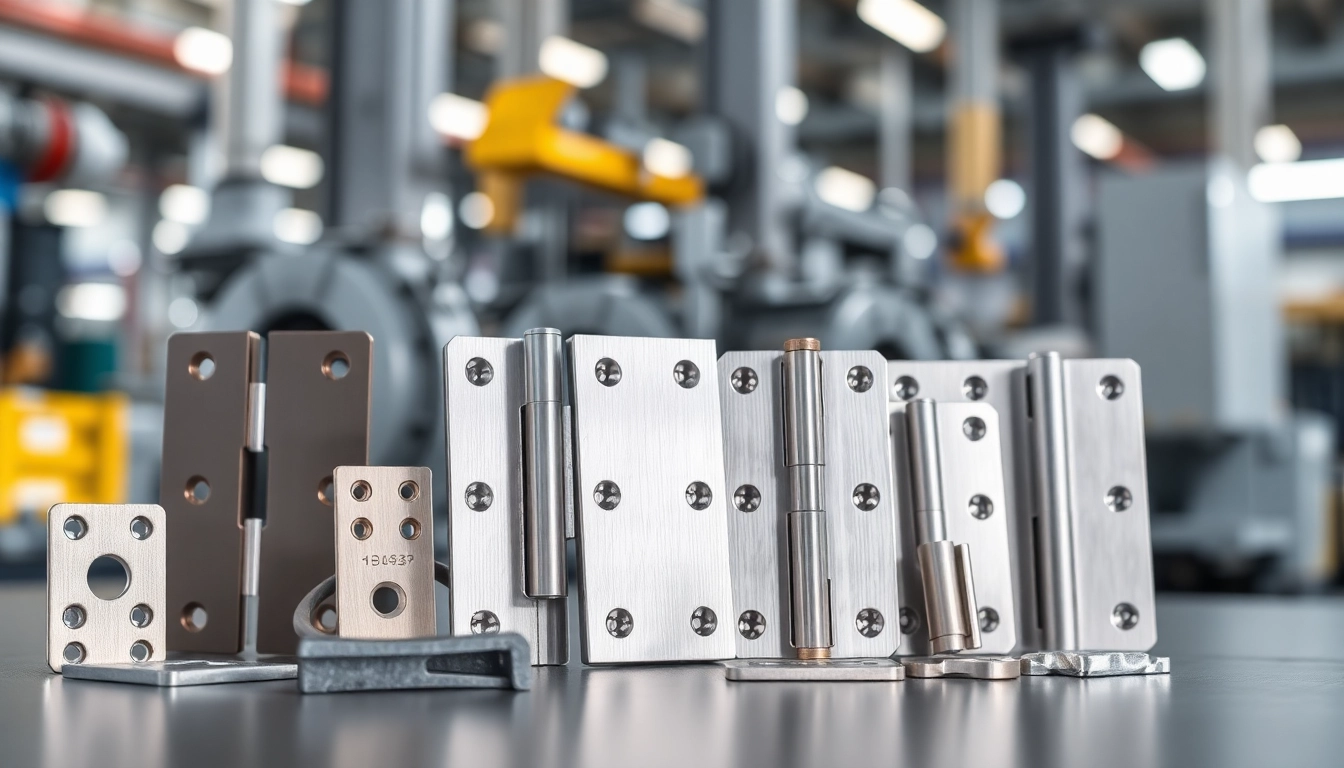
Top Features to Look for in a Hinge Supplier for Optimal Performance
Understanding the Role of a Hinge Supplier
Hinges are crucial components in various applications, from doors and cabinets to machinery and vehicles. As a fundamental part of mechanical design, the Hinge Supplier plays a vital role in ensuring functionality, safety, and durability. Understanding the dynamics of hinge suppliers can significantly influence the quality of a finished product.
What Makes a Hinge Supplier Valuable?
The value of a hinge supplier lies in their ability to provide quality products that meet the specific needs of their clients. Factors such as reliability, product range, innovation, and responsiveness to client inquiries contribute to their overall value. A supplier that understands market demands and technological advancements can offer solutions that enhance performance and longevity.
Types of Hinges Offered by Hinge Suppliers
Hinge suppliers typically offer a diverse array of hinge types suited for various applications. Common types include:
- Butt Hinges: Commonly used for doors; they provide strength and stability.
- Piano Hinges: Continuous hinges that offer extended support along the entire length of a door or panel.
- Concealed Hinges: Often used in cabinets for a clean aesthetic; hidden from view when the door is closed.
- Spring Hinges: Provide automatic closure for doors; perfect for high-traffic areas.
- Gate Hinges: Specifically designed for the functionality and weight of gates.
Each hinge type comes with its requirements and specifications, allowing flexibility in selection depending on the intended application.
The Importance of Material Quality
The material used in hinge manufacturing is a critical determinant of strength, durability, and corrosion resistance. Common materials include:
- Steel: Known for its strength; often used in heavy-duty applications.
- Stainless Steel: Offers excellent corrosion resistance; ideal for outdoor use.
- Brass: Provides aesthetic qualities and is often found in decorative applications.
Choosing the right material ensures optimal performance and longevity, which can ultimately save costs associated with replacements and maintenance.
Key Factors to Consider When Choosing a Hinge Supplier
Assessing Product Range and Availability
The variety of products offered by a hinge supplier directly impacts the versatility they can provide. A supplier with a broad inventory can cater to different needs, allowing for cohesive design and consistency across projects. Availability of stock also plays a crucial role. Reliable suppliers should consistently maintain adequate inventory levels to meet client demands promptly.
Negotiating Price and Quality Balance
When selecting a supplier, it is essential to find a balance between price and quality. While it may be tempting to opt for the lowest pricing available, it could lead to purchasing inferior products that may fail prematurely. Assessing the supplier’s pricing model in conjunction with quality certifications can yield the best results for long-term investments.
Evaluating Customer Support and Service
Strong customer support is critical for ensuring a seamless procurement process. A supplier should offer comprehensive support, including assistance with product selection, technical advice, and prompt handling of issues. Communication channels should be well-established, with responsive representatives available to address customer inquiries effectively.
Industry Standards for Hinge Suppliers
Understanding ISO Certifications
ISO certifications are globally recognized standards that indicate a company’s commitment to quality management and regulatory compliance. A hinge supplier with ISO certification showcases their dedication to maintaining high production standards, ensuring customers receive reliable and consistent products.
Evaluating Compliance and Safety Standards
Compliance with industry regulations and safety standards guarantees that the hinges will perform reliably in various applications. Suppliers should provide documentation that confirms their products meet safety guidelines intended to protect consumers and end-users alike.
Importance of Testing Procedures in Hinge Supply
Testing procedures validate the performance and durability of hinges before reaching the market. Reputable suppliers conduct rigorous testing on their products to confirm they meet durability, strength, and performance requirements. Customers should inquire about testing practices to ensure they are sourcing quality products.
Best Practices for Sourcing from a Hinge Supplier
Building Long-term Relationships
Establishing a trusted relationship with a hinge supplier can yield substantial long-term benefits. Consistent collaboration allows for better communication, enhanced product customization, and priority support. Suppliers who understand a business’s particular needs can provide tailored solutions that align with operational goals.
Utilizing Reviews and Testimonials
Customer reviews and testimonials provide invaluable insight into a supplier’s reliability and product performance. Seeking feedback from previous clients can offer a well-rounded perspective of a supplier’s capabilities, helping potential customers make informed decisions regarding their procurement.
Understanding Logistics and Delivery
Efficient logistics are essential for maintaining project timelines. When sourcing hinges, it’s important to clarify delivery schedules and shipping costs upfront. A reliable supplier should have a well-defined logistics plan to ensure that products arrive on time and in good condition.
Future Trends in Hinge Supply Industry
Emerging Technologies in Hinge Manufacturing
The hinge manufacturing industry is increasingly adopting advanced technologies like automation, 3D printing, and smart hinge solutions. These innovations enhance production efficiency and provide more customization options, enabling manufacturers to meet diverse customer demands swiftly.
Eco-friendly Practices in Hinge Production
With growing environmental awareness, hinge suppliers are prioritizing sustainable practices. This includes using recyclable materials, reducing waste in manufacturing processes, and implementing energy-efficient technologies. Suppliers adopting eco-friendly practices not only help the planet but can also appeal to environmentally conscious customers.
Market Trends Impacting Hinge Suppliers
Market trends, including the increasing demand for custom solutions and personalized products, are shaping the future of hinge suppliers. Suppliers need to remain agile and responsive to evolving customer preferences, which often favor bespoke solutions rather than one-size-fits-all approaches.
FAQs
What factors should I consider when choosing a hinge supplier?
Consider product range, material quality, customer support, price, and logistics when choosing a hinge supplier.
How can I ensure the quality of hinges I purchase?
Look for ISO certifications, request testing information, and read reviews to verify the quality of hinges from suppliers.
What types of hinges are available in the market?
Common types of hinges include butt hinges, piano hinges, concealed hinges, spring hinges, and gate hinges.
Why are eco-friendly practices important for hinge suppliers?
Eco-friendly practices reduce environmental impact and cater to growing consumer demand for sustainable products.
How can I establish a long-term relationship with a hinge supplier?
Maintain consistent communication, provide feedback, and collaborate on projects to build trust with your hinge supplier.