
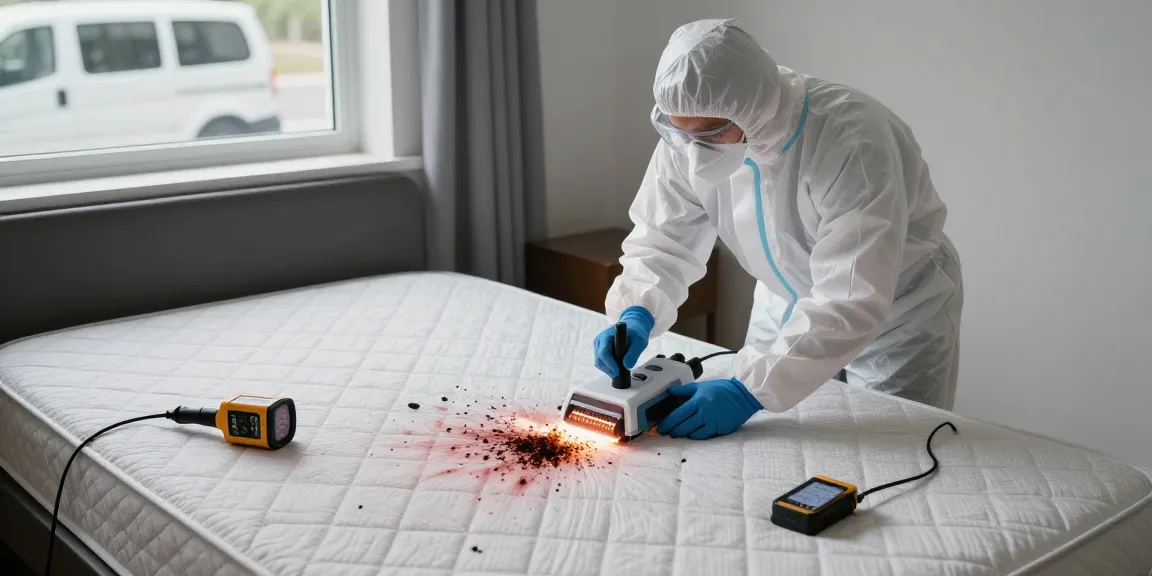
Bed Bug Heat Treatment Year in Review: Essential Insights for Homeowners in 2026
Understanding Bed Bug Heat Treatment
Bed bugs have become a common nuisance in residential and commercial spaces, leading to a surge in demand for effective extermination methods. Among the various approaches, bed bug heat treatment stands out as a highly effective solution. This method utilizes elevated temperatures to eliminate bed bugs in all life stages, including their eggs, providing peace of mind for those affected by these pests.
What is Bed Bug Heat Treatment?
Bed bug heat treatment involves raising the temperature of infested areas to levels lethal to bed bugs. Typically, temperatures of 120°F (49°C) or higher are required to effectively kill these pests. This method is often preferred due to its non-toxic nature and its ability to reach all hiding spots within the infested material, making it a comprehensive solution for eradication.
How Does It Work?
The process begins with a thorough inspection to identify the extent of the infestation and to ascertain hiding spots. Specialized heating equipment is then used to elevate the temperature in the targeted areas. The heat penetrates furniture, mattresses, and even walls, ensuring that no nook is left untreated. The exposure time varies but typically lasts for several hours to ensure complete pest elimination.
Advantages of Heat Treatment Over Chemical Methods
- Eco-Friendly: Heat treatment does not involve the use of harsh chemicals, making it a safer option for households with children and pets.
- Effective Against All Life Stages: Unlike some chemical treatments, heat treatment kills bed bugs at all stages of their development, including eggs that may resist chemical solutions.
- Speed of Treatment: Heat treatment is often quicker than chemical methods, taking only a few hours versus several days for chemicals to take effect.
- Less Preparation Required: While some preparation is needed, heat treatments often require less extensive prep work compared to chemical methods.
Evaluating the Effectiveness of Heat Treatments
The success of bed bug heat treatment largely depends on several key factors. Understanding these can help homeowners and businesses prepare more effectively for pest control.
Key Factors That Influence Treatment Success
- Temperature Monitoring: Consistent temperature monitoring throughout the treatment process is crucial to ensure that lethal levels are maintained.
- Duration of Exposure: Adequate time at high temperatures is necessary to eliminate all pests effectively.
- Material Composition: Different materials absorb heat in varying degrees, influencing the effectiveness of the treatment. Softer materials may retain heat better than harder, more insulated surfaces.
Real-World Case Studies: Success Stories
Numerous case studies demonstrate the efficacy of heat treatments. One notable example involved a multi-unit apartment complex where traditional chemical methods failed. After applying heat treatment, the infestation was eliminated within a single day, and residents reported not encountering any more bugs for months thereafter. This success reaffirms heat treatment’s potential when implemented correctly.
Common Challenges and Misconceptions
Despite its advantages, misconceptions about heat treatment persist. Some believe that heat can damage belongings, particularly electronics or sensitive materials. However, when conducted by professionals, heat treatment is safe for most items. Another challenge is the belief that bed bugs can withstand higher temperatures; in reality, they perish quickly at temperatures above 120°F.
Preparing for Bed Bug Heat Treatment
Preparation is key to maximizing the effectiveness of heat treatment. Following specific guidelines can set the stage for a successful extermination.
Steps to Prepare Your Home
- Remove Clutter: Clear the area of unnecessary items to allow the heat to circulate freely.
- Wash and Dry Fabrics: Launder bedding and clothing in hot water, then dry thoroughly to kill any existing bed bugs.
- Seal Containers: Place items that cannot be washed in sealed plastic containers to protect them from heat.
Safety Considerations During Treatment
While heat treatment is safe, certain precautions should be taken. Ensure that all individuals and pets are outside the treated area during the process. Additionally, flammable items should be removed from the vicinity to minimize risk.
What to Expect Before, During, and After Treatment
- Before: Expect a thorough inspection and preparation instructions.
- During: The area will be heated, typically taking from one to three hours.
- After: Residents should be able to return to a bed bug-free home, with a follow-up appointment scheduled to ensure success.
Cost Analysis of Bed Bug Heat Treatment in 2026
Understanding the financial implications of heat treatment can help homeowners make informed decisions about pest control in 2026.
Comparative Cost Breakdown: Heat vs Chemical
Generally, heat treatment costs may be higher upfront compared to chemical treatments. However, considering its effectiveness and speed, it often proves more economical in the long run, particularly when factoring in reduced chances of repeat infestations.
Long-Term Value: Cost Benefits of Effective Treatment
Investing in heat treatment can yield long-term savings, as it typically eliminates the need for multiple treatment cycles that chemical methods may require. The comprehensive nature of heat treatment means homeowners can avoid costs associated with furniture replacement and prolonged infestations.
Financial Assistance and Insurance Considerations
Some homeowners may wonder about insurance coverage for pest control treatments. It’s advisable to check with individual insurance providers to determine if heat treatment is covered under pest control policies.
Future Trends in Pest Control: The Evolution of Heat Treatment
The pest control industry is continually evolving, with heat treatment methods adapting to meet the changing landscape of bed bug infestations.
Emerging Technologies in Bed Bug Heat Treatment
Advancements in technology have led to more efficient heat treatment equipment that can more precisely control temperatures and reduce treatment times. Innovations like smart monitoring systems enable pest control professionals to track temperature levels remotely.
Predicted Trends for 2026 and Beyond
As awareness grows about chemical-free pest management solutions, the demand for heat treatments is expected to increase. Customers increasingly favor eco-friendly methods, influencing pest control companies to enhance their service offerings.
Expert Insights and Recommendations
Experts recommend regular inspections and proactive measures to prevent infestations. Homeowners should remain vigilant and consider heat treatment not just as a remedy but as a preventive strategy by integrating it into regular pest management practices.
What are the signs of bed bugs?
Signs of a bed bug infestation include bite marks on the skin, bloodstains on bedding, and dark, inky spots that indicate droppings. Early detection is crucial for effective management.
Can heat treatment kill all life stages of bed bugs?
Yes, heat treatment is effective against all life stages of bed bugs, including eggs, making it a comprehensive eradication method.
How long does the heat treatment process take?
The heat treatment process usually lasts between one to three hours, depending on the severity of the infestation and the area being treated.
Is heat treatment safe for pets?
Heat treatment is generally safe for pets, provided they are removed from the treated area during the process to prevent any heat-related issues.
What should I do if I think I have bed bugs?
If you suspect a bed bug infestation, it’s essential to contact a professional pest control service to conduct a thorough inspection and recommend appropriate treatment solutions.