
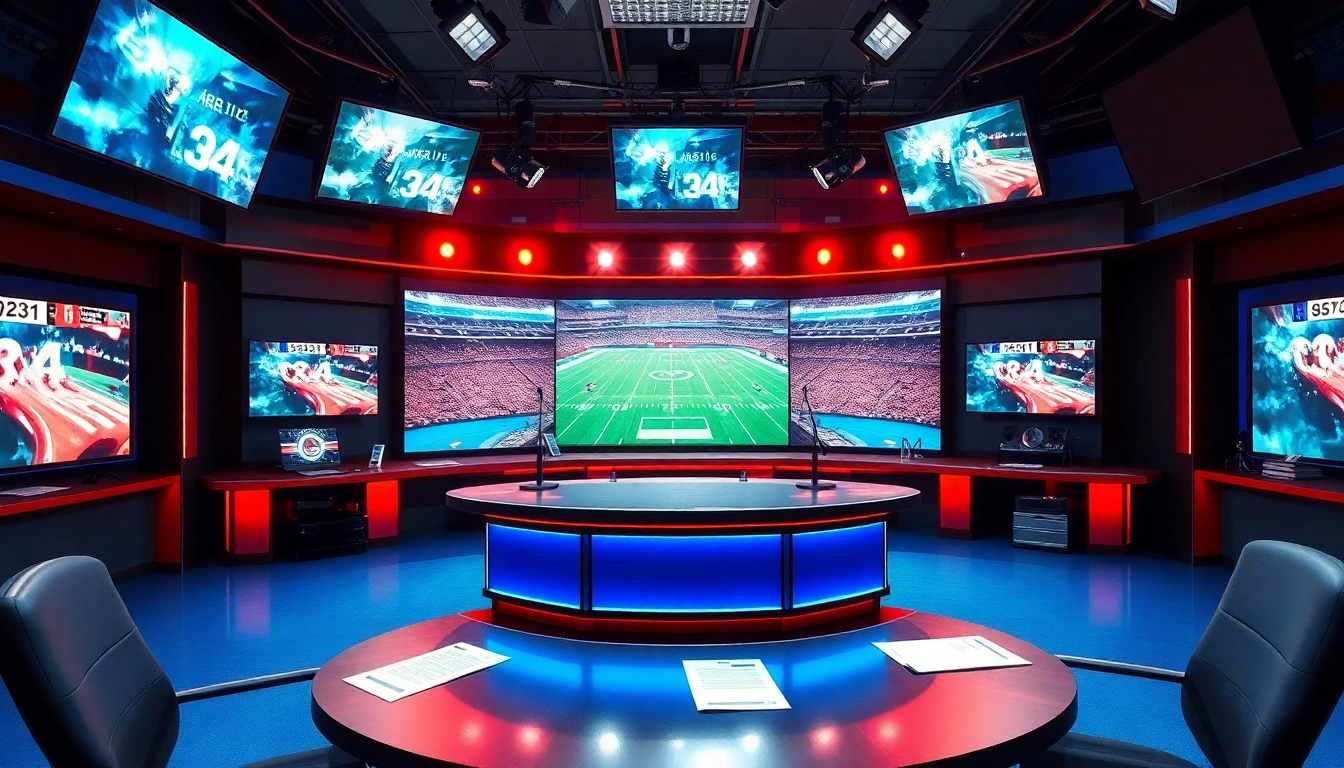
Understanding Sports Broadcasting
Sports broadcasting has become a crucial facet of modern entertainment, blending storytelling, technology, and viewer engagement into a unique experience. Understanding the intricacies of Sports Broadcasting involves traversing historical contexts, familiarizing ourselves with key terminology, identifying different formats, and appreciating the technological advancements that keep this sphere vibrant and engaging.
History of Sports Broadcasting
The journey of sports broadcasting began in the early 20th century when radio emerged as a powerful tool for disseminating information. The first live sports broadcast occurred in the 1920s, featuring boxing matches and baseball games, captivating audiences and laying the groundwork for future developments.
Television transformed sports broadcasting in the 1950s, with networks like CBS and NBC airing significant events, furthering the connection between fans and their favorite sports. Over the decades, innovations such as instant replay, color commentary, and multiple camera angles advanced the broadcasting experience, keeping viewers glued to their screens.
Today, streaming services and digital platforms have revolutionized how sports content is produced and consumed, allowing fans to view events on-demand and engage through social media channels, thus creating a multi-faceted relationship with their sporting heroes and events.
Key Terminology in Sports Broadcasting
Understanding sports broadcasting requires familiarization with specific terminology that colors the field. Some essential terms include:
- Play-by-Play: The detailed commentary that narrates the action as it occurs live.
- Color Commentary: Analysis provided alongside the play-by-play, offering insights and strategies.
- Cut-In: A segment that briefly interrupts regular programming to showcase live sports updates.
- Analytics: Data-driven insights that provide deeper understanding and context to performance and trends.
- Live Streaming: Broadcasting content via the internet in real-time, allowing instant access to events.
Types of Sports Broadcasting Formats
Sports broadcasting encompasses various formats, each serving unique audience preferences and enhancing the viewing experience:
- Live Broadcasts: Real-time coverage of sports events that engages audiences instantly.
- Pre-Game and Post-Game Shows: Programs designed to provide analysis and commentary before or after the event, enhancing viewer understanding.
- Highlight Shows: Edited segments that compile the best moments of games, catering to audiences with limited time.
- Documentary Style: In-depth features that explore the context, history, and personal stories behind athletes and teams.
- Online Streaming: Delivers content directly to viewers on devices like smartphones and tablets, offering flexibility and personalization.
Technology in Sports Broadcasting
Evolving Tools and Equipment
The landscape of sports broadcasting is deeply intertwined with technology, which has continuously evolved to enhance production quality and viewer interaction. High-definition cameras, drone footage, and sophisticated graphics improve the visual experience, while innovations like augmented reality (AR) allow for interactive viewing and analysis.
Many broadcasters now employ virtual studios and advanced production software to create immersive experiences that engage audiences, helping them feel as if they are part of the action rather than mere observers. These tools, combined with state-of-the-art audio equipment, ensure that both the visuals and the commentary are delivered with impeccable clarity.
Streaming Platforms for Sports Broadcasting
The rise of digital streaming platforms has changed how fans consume sports. Established networks have begun to offer streaming options, while new players have emerged, providing unique angles and niche programming. Platforms like ESPN+, DAZN, and others allow fans to customize their viewing experiences, often with fewer interruptions and tailored content.
Moreover, accessibility has improved, as fans can now watch games and shows anywhere with a device, leading to an increase in global sports engagement. As competition in the digital streaming space intensifies, broadcasters must continue to innovate and adapt.
Adapting to New Technologies
As technology reshapes viewer expectations, broadcasting companies are compelled to stay ahead of trends and integrate new tech seamlessly. This includes leveraging artificial intelligence for data analytics, which allows for real-time performance assessments, and utilizing machine learning to refine viewer recommendations and personalization of content.
Furthermore, advancements in 5G technology promise to enhance mobile streaming quality and connectivity, enabling smoother broadcasts and more interactive experiences. Broadcasters that embrace these technologies will better serve their audiences and retain viewer loyalty.
Content Creation Strategies
Creating Engaging Sports Broadcasting Content
The crux of successful sports broadcasting lies in content creation that captivates viewers. Engaging sports content entails crafting narratives that resonate with audiences, from highlighting athlete backgrounds to chronicling team journeys. Creative use of interviews, expert insights, and fan-driven content helps in building strong connections with the viewers.
Utilizing a mix of formats—ranging from in-depth analysis pieces to quick, shareable clips—further enhances engagement, ensuring that diverse audience preferences are met. Additionally, tailoring content to specific demographics can significantly increase relatability and viewer satisfaction.
Utilizing Social Media for Engagement
The power of social media in sports broadcasting cannot be overstated. Platforms like Twitter, Instagram, and TikTok allow broadcasters to share real-time updates, interact with fans, and generate buzz around upcoming events. Engaging with the audience through polls, live Q&As, and behind-the-scenes looks fosters community and increases loyalty.
Visual content, especially short videos and highlights, tend to go viral, expanding the reach of broadcasts beyond traditional viewership. Thus, maintaining an active and engaging social media presence maximizes exposure and promotes greater audience interaction.
Building a Story Around Sports Events
Every sports event has a story waiting to unfold, and successful broadcasters excel at highlighting these narratives. By employing techniques such as thematic storytelling or establishing an emotional connection with the audience, broadcasters can significantly enhance the viewing experience. The human element—showing the struggles, triumphs, and personal stories of athletes—adds depth and engages viewers on a more profound level.
Additionally, strategic use of footage over the years can revisit historical rivalries or moments that define athletes’ legacies, ultimately creating a richer contextual backdrop that engages audiences more deeply.
Challenges in Sports Broadcasting
Addressing Viewer Complaints
Viewer dissatisfaction can arise from various aspects such as technical issues, poor commentary, or a lack of transparency in content delivery. Addressing these complaints promptly and effectively is crucial to maintaining trust and viewer loyalty. Establishing communication channels for feedback, conducting regular surveys, and using social media for direct engagement can help broadcasters understand concerns and make necessary adjustments.
Moreover, training presenters and analysts to deliver clear and engaging commentary can mitigate dissatisfaction while enhancing the overall viewer experience.
Navigating Licensing Issues
Licensing remains one of the most daunting challenges in sports broadcasting. Event rights are often tightly regulated, and broadcasters must navigate complex legalities to secure the necessary permissions to air events. Developing strong relationships with sporting bodies and understanding the licensing landscape are essential for success.
Broadcasters can benefit from staying informed about current trends and emerging opportunities, ensuring they remain competitive while adhering to legal standards that protect both their interests and those of rights holders.
Maintaining Content Quality
As the competition in sports broadcasting intensifies, maintaining consistent content quality proves vital. Amid the rush to produce timely content, missteps in factual accuracy or production quality can tarnish a broadcaster’s reputation. Prioritizing fact-checking processes and investing in quality production equipment are critical steps for brands committed to upholding standards.
Furthermore, fostering a culture of continuous improvement, where feedback is welcomed, will help broadcasters enhance their offerings and remain competitive in the fast-paced digital landscape.
Performance Metrics for Success
Evaluating Audience Engagement
Understanding and measuring audience engagement is fundamental for sports broadcasters aiming to refine their strategies and optimize content. Metrics such as viewership numbers, social media interactions, and audience retention rates offer valuable insights into how well content resonates with viewers.
Additionally, monitoring audience feedback through surveys and social listening tools can enhance understanding of preferences and habits, guiding future content creation effectively.
Key Metrics for Online Sports Broadcasting
For successful online sports broadcasting, several key performance indicators must be tracked:
- View Count: Number of views on videos and streams showcases content popularity.
- Engagement Rate: Measures interactions (likes, shares, comments) relative to total views, indicating viewer enthusiasm.
- Completion Rate: Percentage of viewers watching the entire broadcast, illuminating content value and interest.
- Subscriber Growth: Growth in followers or subscribers reflects increasing brand loyalty and audience base.
- Revenue Generation: Ad revenue and subscription sales as indicators of financial performance and viability.
Improving Broadcast Reach and Impact
Maximizing broadcast reach and impact necessitates continuous improvement of content delivery strategies. Identifying target demographics, optimizing content for various platforms, and ensuring consistent quality are essential elements for extending audience reach.
Moreover, partnerships with influencers and other media outlets can broaden visibility, while strategic marketing campaigns can enhance brand awareness and draw in new viewers. By implementing a comprehensive approach to audience engagement, broadcasters can significantly improve their impact in the competitive arena of sports media.
Frequently Asked Questions
What is sports broadcasting?
Sports broadcasting involves transmitting live or recorded sports events via television, radio, or online platforms, providing commentary and analysis to enhance viewer engagement.
How has technology impacted sports broadcasting?
Technology has enhanced sports broadcasting through high-definition visuals, real-time analytics, and streaming platforms, making it more accessible and engaging for audiences.
Why is storytelling important in sports broadcasting?
Storytelling connects viewers emotionally to athletes and events, enhancing engagement, interest, and loyalty among audiences, making broadcasts more compelling and memorable.
What metrics should I track for sports broadcasting success?
Key metrics include viewer count, engagement rates, completion rates, subscriber growth, and revenue generation, which help assess performance and strategic effectiveness.
What challenges do sports broadcasters face?
Common challenges include addressing viewer complaints, navigating licensing issues, maintaining content quality, and adapting to technological advancements.