
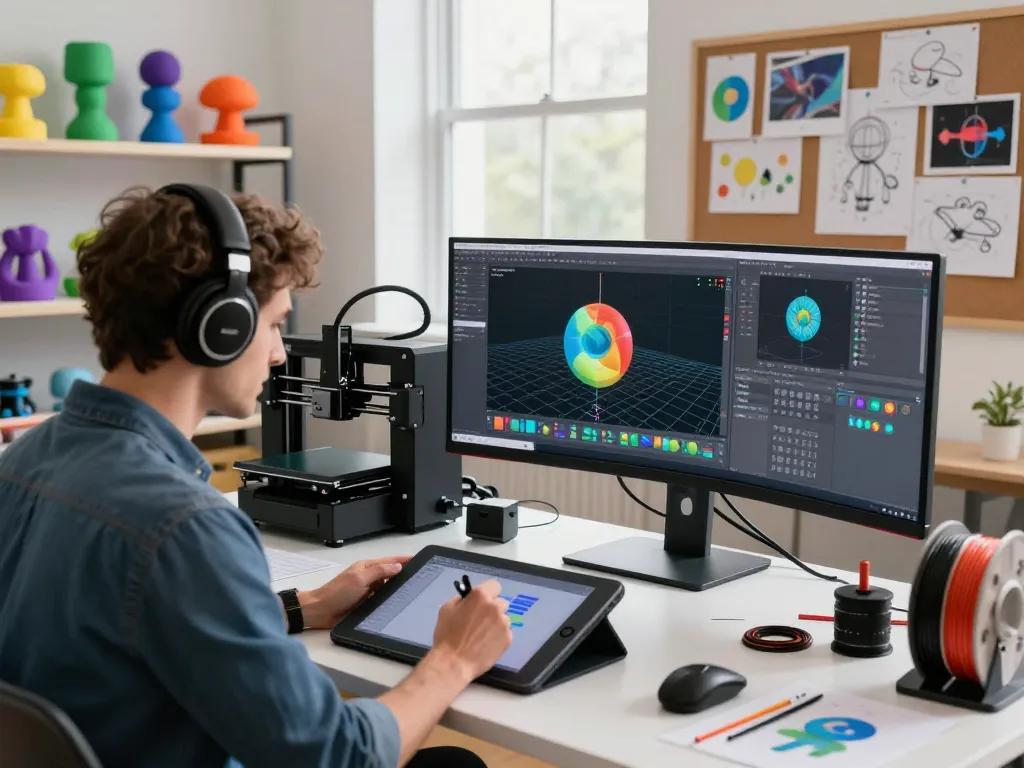
Advanced 3D Model Generator Techniques for 2026: Transform Your Designs
Introduction to 3D Model Generators
The rise of digital technologies has transformed the way we create and interact with visual content. Among the most significant advancements is the emergence of 3D model generators, tools that allow users to create complex three-dimensional models in a matter of minutes. Whether utilized in gaming, architecture, or product design, these generators offer unparalleled convenience and efficiency, bridging the gap between imagination and reality. As we dive deeper into this dynamic industry, understanding how to leverage these tools effectively becomes paramount for both amateurs and professionals alike.
What is a 3D Model Generator?
A 3D model generator is a software application or online tool that automates the creation of three-dimensional objects from various input formats, including text, images, and predefined templates. These generators use algorithms and artificial intelligence to interpret user inputs, producing 3D models that can be further customized or refined. This technology has democratized 3D design, allowing individuals with no formal training in 3D modeling to create compelling visual content quickly and efficiently.
Importance of 3D Modeling in Modern Design
In today’s digital landscape, 3D modeling plays a critical role in multiple industries. From enhancing user engagement in gaming to facilitating the visualization of architectural designs, 3D models serve as essential tools for communication and presentation. They enable designers to showcase their ideas in a tangible format, reducing misunderstandings and providing stakeholders with clear visualizations. Moreover, as industries lean towards remote collaboration, 3D models ensure that everyone involved has a consistent understanding of the design intent.
Overview of Key Features in 3D Model Generators
- User-Friendly Interfaces: Most modern generators feature intuitive interfaces that facilitate ease of use, even for beginners.
- Text and Image Input: Many tools accept input in the form of simple text prompts or image uploads, making them accessible to a wide range of users.
- High-Quality Outputs: State-of-the-art algorithms ensure that generated models adhere to high standards of quality, including accurate textures and realistic geometries.
- Customization Options: Users can typically modify generated models to better fit their needs, adjusting aspects like color, scale, and texture.
- Compatibility with 3D Printing: Many generators produce files compatible with 3D printing technologies, enabling direct output to physical models.
How to Use a 3D Model Generator Effectively
Using a 3D model generator can be an exciting venture for creators at any level. However, understanding the nuances of these tools is essential to maximize their potential and achieve desired outcomes.
Step-by-Step Guide to Generating Your First Model
- Choose Your Generator: Start by selecting a reputable 3D model generator that fits your specific needs.
- Input Your Design Elements: Depending on the tool, you can enter text descriptions or upload images to guide the modeling process.
- Customize the Model: Utilize available options to modify aspects of your model, enhancing its features according to your vision.
- Review and Adjust: Examine the generated model for accuracy and make necessary adjustments before finalizing.
- Export the Model: Once you’re satisfied, export your model in the desired format for use in your projects.
Common Mistakes to Avoid When Using 3D Generators
- Neglecting Input Quality: Providing low-quality images or vague text prompts can lead to subpar models.
- Overlooking Customization: Failing to adjust the generated model may result in outputs that don’t meet your needs.
- Ignoring File Formats: Different projects may require specific file formats; ensure compatibility before exporting your model.
- Not Researching Tool Capabilities: Familiarize yourself with the unique features of a generator to leverage it fully.
Best Practices for Optimizing Model Quality
For optimal results with your 3D model generator, consider the following best practices:
- Start with Clear Concepts: Define what you want before using the generator, which can streamline the modeling process.
- Test Different Inputs: Experiment with various images and text prompts to discover which produce the best results.
- Utilize Community Resources: Many tools have forums and user groups that can provide valuable advice and tips.
- Invest in Upgrades: If you’re using a free tool, consider upgrading to access advanced features that can enhance model quality.
Comparing Popular 3D Model Generators
With numerous 3D model generators available, understanding their strengths and weaknesses can help you make informed choices about which tool to use for specific projects.
Top Competitors in the 3D Model Generator Space
- Meshy AI: Known for its fast turnaround, Meshy AI generates production-ready models from text and images.
- Canva: Canva’s AI 3D model generator allows users to transform design ideas into 3D visuals effortlessly.
- Tripo: This tool excels in converting both text and images into detailed models with impressive geometries.
- HexaGen: Ideal for those looking to convert images into 3D models, offering realistic outputs from single or multiple image uploads.
- Fast3D: This lightning-fast generator reaches its full potential through user-friendly prompts and immediate results.
Feature Comparison: What to Look For
When selecting a 3D model generator, keep the following features in mind:
- Input Versatility: The ability to use images or text as input can greatly enhance creative possibilities.
- Quality of Models: Look for generators that produce high-resolution models with accurate geometry and textures.
- Ease of Use: Intuitiveness can determine how quickly you can adapt to the tool, especially if you’re new to 3D modeling.
- Export Options: Ensure the generator allows for various file formats that suit your project requirements.
- Community and Support: A strong user community and helpful customer support can enhance your experience and troubleshooting.
User Reviews and Community Feedback on Generators
User feedback is crucial in determining the effectiveness of a 3D model generator. Many platforms feature user reviews that can provide insights into real-world applications and limitations. Engage with online communities through forums and social media to share experiences and gather knowledge about different tools, which can be invaluable in selecting the best generator for your needs.
Applications of 3D Model Generators Across Industries
The versatility of 3D model generators allows them to be applied across various industries, each reaping unique benefits from this technology.
3D Model Generators in Gaming Development
In gaming development, the ability to create intricate 3D models quickly is paramount. Developers utilize these generators to produce character models, environments, and assets that enhance gameplay. The demand for high-quality graphics necessitates tools that can rapidly iterate designs, making 3D model generators indispensable in game studios.
Using 3D Models in Architecture and Design
Architects and designers increasingly rely on 3D models to visualize spaces accurately. Generators allow for quick modifications in designs, enabling architects to present concepts to clients effectively. Clients can interact with realistic representations of buildings and interiors, making it easier to communicate ideas and secure approvals.
Innovations in 3D Printing and Prototyping
3D model generators have revolutionized prototyping across various fields. From industrial designs to consumer products, the ability to generate precise models has expedited the prototyping process, allowing for rapid iterations and testing. This has accelerated product development cycles and reduced costs, benefiting manufacturers and creators alike.
Future Trends in 3D Model Generation
The future of 3D model generation is vibrant, driven by continuous technological advancements and changing user demands. Staying informed and adaptable is crucial for anyone involved in design and modeling.
Emerging Technologies Impacting 3D Modeling
Technological innovations, such as the integration of augmented reality (AR) and virtual reality (VR), are actively reshaping the landscape of 3D modeling. These technologies enable users to interact with models in immersive environments, pushing the boundaries of traditional design practices. Artificial intelligence continues to enhance model generation, improving accuracy and customization.
Expectations for 2026 and Beyond
By 2026, we can expect even more sophisticated tools that harness machine learning to optimize design processes. The rise of intuitive AI-driven interfaces will allow for seamless interaction between users and generators, making the creation of complex models more accessible than ever.
How to Stay Ahead in the Evolving Landscape
To remain competitive, professionals should actively seek learning opportunities and engage with the latest advancements in 3D modeling technologies. Participating in online courses, webinars, and conferences will deepen your understanding and help you adapt efficiently to industry shifts. Networking with peers in the field can also provide valuable insights into emerging tools and best practices.
What are the benefits of using a 3D Model generator?
The benefits of using a 3D model generator are vast, including time-saving efficiencies, the ability to create complex designs with ease, and increased accessibility for individuals without advanced technical skills. These tools democratize design, enabling a broader range of creators to bring their ideas to life.
Can I create custom designs with a 3D Model generator?
Yes, most 3D model generators come equipped with features that allow for extensive customization of generated models. Users can typically adjust parameters such as scale, color, and texture to create unique designs tailored to specific needs.
What industries benefit the most from 3D Model generators?
Several industries benefit significantly from 3D model generators, including gaming, architecture, engineering, product design, and education. Each sector utilizes these tools to streamline workflows, enhance visual communication, and foster creativity.
How does AI improve the functionality of 3D Model generators?
AI enhances the functionality of 3D model generators by enabling smarter algorithms that can interpret user inputs more accurately. This leads to better-quality models and more relevant design suggestions, effectively reducing the time spent refining outputs.
Are there any free options for 3D Model generation?
Absolutely! Many 3D model generators offer free versions with limited features, allowing users to explore the capabilities of the tools before committing to paid plans. These free options are valuable for hobbyists and learners who want to experiment with 3D modeling.