
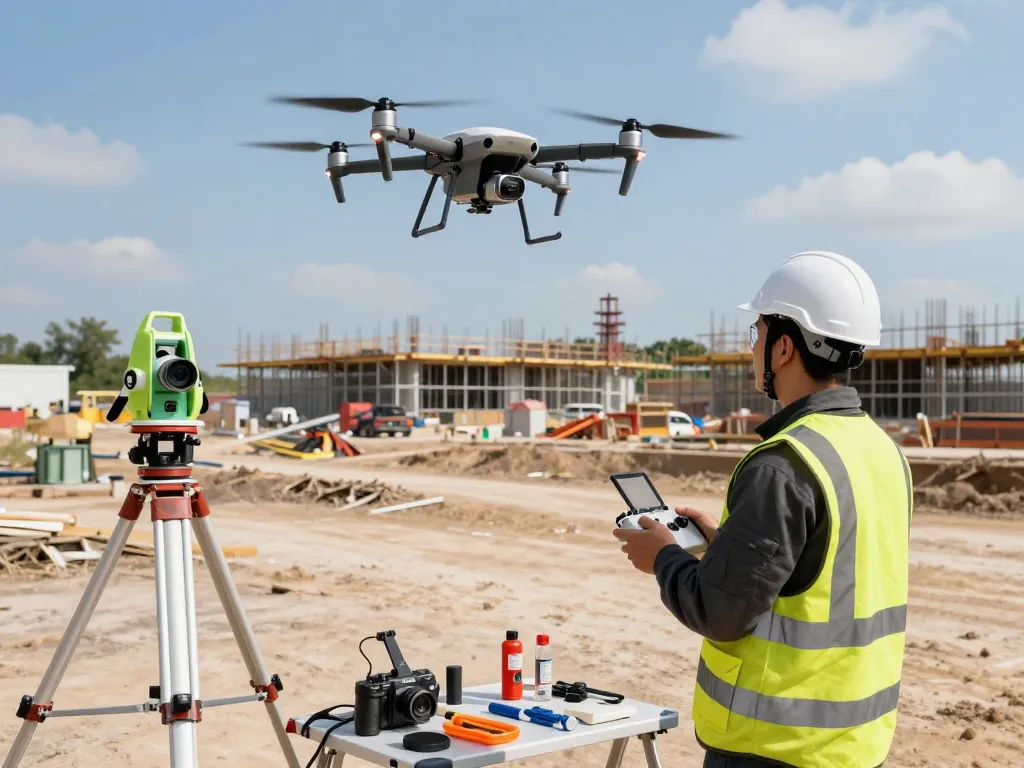
Advanced Strategies for Utilizing the DJI Matrice 4T in 2026
Understanding the DJI Matrice 4T Drone
The DJI Matrice 4T is a cutting-edge drone designed for high-level operations in various industries, including public safety, agriculture, construction, and environmental monitoring. With its advanced sensor capabilities, rugged design, and intelligent flight features, this drone offers professionals the tools they need to complete complex missions efficiently. As drone technology continues to evolve, the dji matrice 4t stands out as a premier choice for organizations seeking reliability and performance.
Key Features of the DJI Matrice 4T
The DJI Matrice 4T is packed with features that enable it to perform exceptionally well in demanding environments. Some of the key specifications include:
- Thermal Imaging Capabilities: The Matrice 4T is equipped with a thermal camera that allows users to capture detailed thermal images, making it invaluable for search and rescue operations, infrastructure inspections, and wildlife monitoring.
- Extended Flight Time: With a maximum flight time of up to 45 minutes, the Matrice 4T can cover large areas without the need for frequent battery changes, thus maximizing operational efficiency.
- Smart Obstacle Avoidance: This drone incorporates advanced AI technology to detect and avoid obstacles, ensuring safe navigation in complex environments.
- High-Resolution Cameras: The Matrice 4T features a 48MP camera with a wide-angle lens that captures stunning images and videos, making it ideal for both inspection and promotional activities.
Applications in Various Industries
The versatility of the DJI Matrice 4T makes it suitable for a wide range of applications:
- Public Safety: Law enforcement agencies utilize the Matrice 4T for surveillance, search and rescue missions, and crowd management during events.
- Construction and Infrastructure: The drone’s ability to perform site inspections and land surveys provides construction managers with critical data to improve project efficiency.
- Agriculture: Farmers leverage the thermal imaging capabilities to monitor crop health, detect irrigation issues, and assess livestock conditions.
- Environmental Monitoring: Environmentalists use the Matrice 4T for wildlife tracking, habitat assessments, and disaster response, highlighting its integral role in conservation efforts.
How the Matrice 4T Stands Out from Competitors
Compared to other drones in the market, the DJI Matrice 4T offers a unique combination of features that set it apart:
- Integrated AI Technology: The drone’s use of artificial intelligence allows for smarter flight planning and data processing, enhancing operational efficiency.
- Customization Options: The Matrice 4T supports various payloads, enabling users to customize the drone according to specific mission requirements, which is less common in competitor models.
- Robust Design: Built to withstand challenging weather conditions, the Matrice 4T ensures reliable performance, making it ideal for outdoor applications.
Getting Started with Your DJI Matrice 4T
Once you have acquired your DJI Matrice 4T, understanding how to operate and maintain it properly is crucial for success. Here are essential steps for getting started:
Initial Setup and Installation Process
Setting up the DJI Matrice 4T involves several steps:
- Unboxing: Carefully unbox the drone and inspect all components, including the remote control, batteries, and additional accessories.
- Battery Charging: Fully charge the batteries before the first flight to ensure optimal performance.
- App Installation: Download the DJI Go app on your smartphone or tablet. This app will serve as your main interface for controlling the drone and accessing camera features.
- Firmware Updates: Before flying, check for firmware updates to ensure that your drone operates with the latest features and enhancements.
Best Practices for Drone Safety
Safety is paramount when operating any drone, including the DJI Matrice 4T. Here are some best practices to follow:
- Pre-Flight Checklist: Always perform a pre-flight inspection, including checking battery levels, camera functionality, and GPS signal strength.
- Understand Regulations: Familiarize yourself with local regulations and restrictions regarding drone operations, especially in urban areas.
- Maintain Line of Sight: Always keep the drone within your line of sight during flight to ensure safe handling.
- Weather Conditions: Avoid flying in severe weather conditions, including high winds and rain, to minimize risks.
Understanding the Remote Control Features
The remote control of the DJI Matrice 4T is equipped with features that enhance user experience:
- Intuitive Controls: The layout is designed for ease of use, with a responsive touch screen that displays real-time data.
- Customizable Buttons: Users can customize buttons for frequently used functions, allowing for quick adjustments during flight.
- Live View Streaming: Real-time video feed allows operators to monitor the drone’s surroundings and capture high-quality footage without lag.
Data Collection with the DJI Matrice 4T
Data collection is one of the primary reasons organizations invest in the DJI Matrice 4T. Its advanced sensors and imaging tools facilitate effective data gathering for various applications:
Utilizing Thermal Imaging Capabilities
The thermal imaging capabilities of the Matrice 4T enable users to capture distinct heat signatures, which can be critical for:
- Search and Rescue: Identifying individuals or animals in difficult terrain or low-visibility conditions.
- Infrastructure Inspection: Detecting heat anomalies in buildings and electrical infrastructure that may signal underlying issues.
Optimizing Flight Paths for Data Acquisition
To maximize the efficiency of data collection, consider the following strategies:
- Predefined Route Planning: Utilizing GPS waypoints allows for precise flight paths that ensure complete coverage of the target area.
- Altitude Adjustments: Adjusting the altitude based on the terrain and purpose of the flight can enhance data accuracy.
Common Challenges in Data Collection and Solutions
While data collection can be straightforward, several challenges may arise:
- Signal Interference: Flying in urban areas can cause signal interference. Utilizing the drone’s built-in obstacle avoidance features can help navigate these issues.
- Battery Management: Extended flights may lead to unexpected battery depletion. Always monitor battery levels and have a contingency plan in place.
Real-World Applications of the DJI Matrice 4T
The versatility of the DJI Matrice 4T is demonstrated in a variety of real-world applications:
Case Studies in Construction and Surveying
Construction companies are increasingly utilizing the Matrice 4T for:
- Site Surveys: Drones can quickly perform land surveys, reducing the time needed for manual measurements.
- Monitoring Progress: Visual documentation of projects allows for better tracking of timelines and budgets.
Public Safety and Emergency Response Applications
Law enforcement and emergency services utilize the Matrice 4T in various scenarios:
- Accident Scene Analysis: Drones provide aerial views of accident scenes, which aids in investigations.
- Firefighting: Thermal imaging helps firefighters assess hotspots and locate individuals in burning structures.
Utilizing Drones for Environmental Monitoring
Environmental agencies employ drones like the Matrice 4T for:
- Wildlife Tracking: Monitoring animal populations and their habitats for conservation efforts.
- Pollution Assessment: Drones can survey areas affected by spills or other environmental hazards.
The Future of Drone Technology and the DJI Matrice 4T
As we look ahead to the future of drone technology, the DJI Matrice 4T is well-positioned to be at the forefront of innovation:
Emerging Trends in Drone Innovation for 2026
Several trends are shaping the future of drone technology:
- AI Integration: Enhanced AI capabilities will allow drones to perform more complex tasks autonomously.
- Increased Connectivity: 5G technology will improve the real-time data transmission capabilities of drones.
- Environmental Sustainability: Future drones will focus on energy efficiency and eco-friendly designs to minimize their environmental footprint.
How the Matrice 4T Fits into Future Developments
The DJI Matrice 4T is designed with adaptability in mind, ensuring that it remains relevant as new features and technologies are introduced.
Expert Insights on Sustainable Drone Practices
Experts recommend incorporating sustainable practices into drone operations, such as:
- Efficient Flight Planning: Reducing flight times and optimizing routes can lower energy consumption.
- Maintenance Practices: Regular maintenance prolongs the lifespan of drones, reducing waste and enhancing sustainability efforts.
What are the key specifications of the DJI Matrice 4T?
The key specifications include a flight time of up to 45 minutes, advanced obstacle avoidance systems, customizable payload options, and dual thermal and visual imaging capabilities, making it an all-in-one solution for various industries.
How does the DJI Matrice 4T enhance safety in operations?
The DJI Matrice 4T features intelligent flight modes, advanced obstacle detection, and real-time data feedback through the remote control, promoting safer drone operations across industries.
In what industries is the DJI Matrice 4T most beneficial?
This drone excels in public safety, infrastructure inspection, agriculture, construction, and environmental monitoring, thanks to its versatile and advanced operational features.
What steps should I take if I’m new to drone operations?
Begin by obtaining the necessary certifications, familiarize yourself with the regulations in your area, and practice your piloting skills in safe, open environments.
How do regulations affect the use of the DJI Matrice 4T?
Drone operators must comply with FAA regulations and local laws, which may include restrictions on flight altitude, no-fly zones, and licensing requirements.