
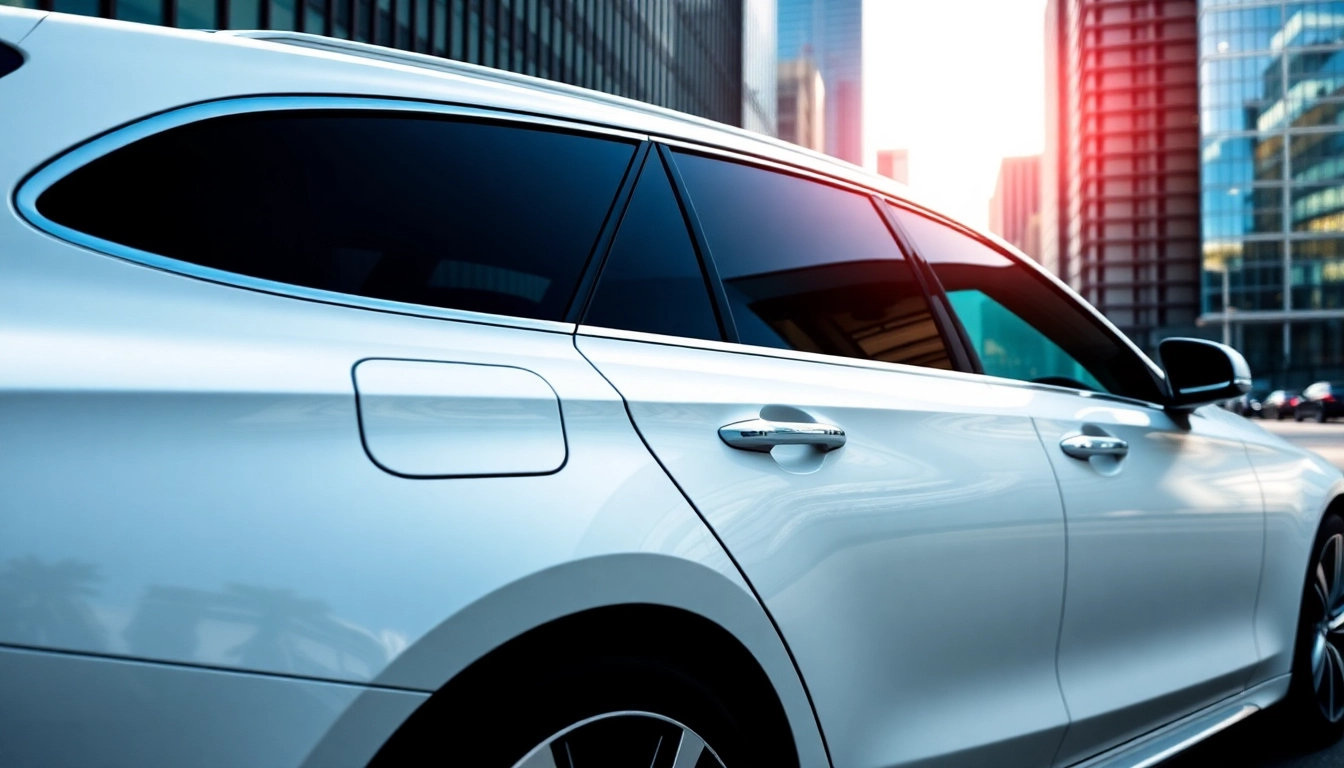
Enhance Your Ride with Auto Window Tint Near Me for Style and Protection
Understanding Auto Window Tint
What is Auto Window Tinting?
Auto window tinting involves applying a thin film to the windows of a vehicle to reduce glare, block UV rays, and improve overall aesthetics. This film is typically made from a polyester material that can come in various shades and levels of protection. The primary purpose of window tint is to enhance comfort and safety for drivers and passengers, making them less vulnerable to sun damage and heat buildup inside the vehicle.
Types of Window Tint Available
Window tints vary mainly by the type of film used and their performance characteristics. Here are the most common types you will encounter:
- Dyed Window Film: This is the most cost-effective option. It has a layer of dye that absorbs heat and blocks UV rays while enhancing privacy.
- Metalized Window Film: This type contains metal particles that reflect heat and UV rays, providing better insulation and durability than dyed films.
- Ceramic Window Film: With nanotechnology, ceramic films are superior for heat rejection while allowing UV rays to be blocked. They do not interfere with electronic devices, making them a preferred choice for modern vehicles.
- Hybrid Window Film: Combining dye and metal layers, hybrid films provide a balance of performance and aesthetics at a reasonable price.
Benefits of Using Auto Window Tint
Investing in auto window tint offers numerous advantages, including:
- Heat Reduction: Tinted windows decrease interior heat, making your ride more comfortable during hot weather.
- UV Protection: Tints block up to 99% of harmful UV rays, reducing the risk of skin cancer and preserving the interior of your vehicle.
- Glare Reduction: Tints minimize glare from sunlight and headlights, improving visibility and reducing eye strain while driving.
- Enhanced Privacy: Tinted windows prevent outsiders from easily seeing into your vehicle, protecting your belongings and personal space.
- Improved Aesthetics: Window tint adds a sleek, modern look to any vehicle, potentially increasing its resale value.
Choosing the Right Auto Window Tint Near Me
Factors to Consider When Selecting Tint
When searching for the ideal auto window tint near me, it’s essential to evaluate various factors:
- Purpose: Consider why you want tinting—lost heat, glare reduction, or aesthetics—and choose the type of film accordingly.
- Legal Restrictions: Each state has laws governing window tint darkness and reflectivity. It’s crucial to adhere to these regulations to avoid fines.
- UV Protection: Ensure the tint you select provides adequate UV filtering for the best protection.
- Warranty: A good warranty usually reflects quality; look for films that come with a manufacturer’s warranty.
- Quality of Installation: An expertly installed tint can solve various problems. Seek professionals recognized for their workmanship.
Understanding Local Tinting Regulations
Before proceeding with any tint installation, familiarize yourself with the local regulations that dictate the permissible levels of tinting. Most regions customize the laws around the percentage of light allowed to pass through different windows of the vehicle. Knowing these regulations helps you avoid costly fines and ensures your tint is compliant.
Finding Trusted Installers Near You
Once you’ve identified your ideal tint type, the next step is to find a reliable installer. Look for reviews, ask for recommendations from friends or family, and check for certifications. A well-reviewed shop will have trained technicians best qualified to apply your chosen film seamlessly and professionally.
The Installation Process of Auto Window Tint
Steps Involved in Tint Installation
The installation of window tinting typically follows these steps:
- Cleaning: All windows are thoroughly cleaned to remove any dirt or debris.
- Measuring: The installer measures each window to cut the tint film accurately.
- Cutting the Film: The film is carefully cut according to the measurements previously taken.
- Application: The tint film is applied to the inside of the window using a mixture of water and soap, ensuring it adheres properly.
- Smoothing: Air bubbles are smoothed out, and the edges are sealed to allow a tight fit.
- Drying: The installer allows the tint to cure for a few days before rolling down the windows to ensure a lasting bond.
DIY vs. Professional Tint Installation
While some may consider DIY window tint installation, many benefits come with professional services. Professional installers possess specific tools, skills, and experiences, including knowledge of local regulations and the best techniques to achieve flawless results. Conversely, DIY can lead to improper installation, potential bubbling, and peeling if not executed correctly.
Preparation for Tint Installation
Before committing to your tint installation, you should prepare adequately by doing the following:
- Ensure your vehicle is cleaned, inside and out, for the best adhesion.
- Remove any special items that may be in the way, such as toys, floor mats, or pets.
- Know the specific film type you want, and discuss options with your installer beforehand.
- Follow any specific instructions provided by your installer, especially regarding the curing time post-installation.
Maintaining Your Auto Window Tint
Best Practices for Care
Proper maintenance of your auto window tint is crucial to ensuring its longevity. Follow these best practices:
- Wait at least a week before rolling down your windows to allow full curing.
- Use a soft cloth for cleaning and avoid any ammonia-based cleaners that can deteriorate the film.
- Avoid scraping frost or ice off your windows to prevent damage to the tint.
- Inspect your windows regularly for signs like bubbling or peeling and address them promptly.
Common Issues and Solutions
Even with the best care, some issues may arise post-installation. The most common problems include:
- Bubbling: This can occur from improper installation or moisture trapped beneath the film. Consult your installer for possible remedies.
- Peeling: Peeling can result from the edges being compromised. This issue is typically fixable by a professional.
- Discoloration: Lower-quality films may fade over time. In this case, replacement may be necessary.
When to Seek Professional Help
If you encounter any persistent issues with tint, especially bubbling or peeling, it’s best to consult with your original installer or seek professional help. They can assess the problem accurately and offer solutions that may not be available to a DIY enthusiast.
Cost Considerations for Auto Window Tint
Price Ranges for Different Tint Types
The cost of auto window tint can vary widely depending on several factors, including the type of film used and the number of windows being tinted. Generally, expect to pay the following:
- Dyed Film: $100 – $400 for a full car.
- Metalized Film: $400 – $800.
- Ceramic Film: $600 – $1,500.
- Hybrid Film: $300 – $700.
Factors Influencing Tinting Costs
Various factors can influence the overall cost of tinting your car:
- Vehicle Type: Larger vehicles require more tint material, impacting the price.
- Tint Quality: Higher-quality films use advanced technology, which often incurs higher costs.
- Installer Expertise: Choose a reputable installer with experience, which might come at a premium but is often worth the investment.
Budgeting Tips for Tint Installation
To manage your budget effectively when considering window tint, consider the following tips:
- Get multiple quotes from different installers to compare prices and offerings.
- Plan for potential future maintenance or replacement costs when choosing a tint type.
- Consider timing—some shops may offer seasonal promotions or discounts.
- Prioritize your needs and wants, balancing budget and quality for the best outcome.
FAQs
What is the best type of window tint for heat reduction?
Ceramic window film is often considered the best for heat reduction as it reflects heat while allowing visibility.
How long does window tint last?
With proper care and installation, good quality window tint can last anywhere from 5 to 15 years.
Can I wash my car after window tinting?
It’s recommended to wait at least one week before washing your car to allow the tint to cure completely.
Is window tinting legal?
Yes, but specific laws vary by state regarding tint darkness and reflectivity. Check local regulations before installation.
Can window tint be removed?
Yes, window tint can be removed by professionals. Attempting to remove it yourself may cause damage to the glass.