
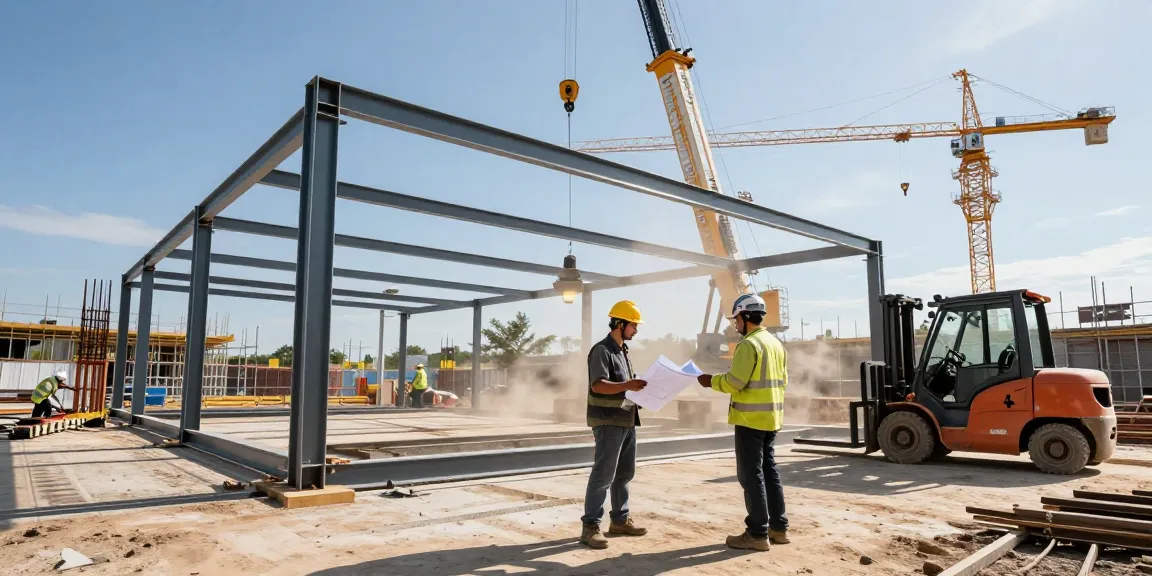
How to Elevate Your Pre-Engineered Building Skills with dpconsteel.in in 2026
Understanding Pre-Engineered Buildings
Pre-engineered buildings (PEBs) have transformed the construction landscape by offering customizable solutions that cater to a wide array of applications. These structures are designed and fabricated in a factory setting, then delivered and assembled on-site, effectively streamlining construction time and enhancing efficiency. dpconsteel.in is a leading name in this sector, known for its innovative approach and state-of-the-art engineering techniques that consistently meet client needs.
What are Pre-Engineered Buildings?
Pre-engineered buildings are structures made of steel that are engineered, designed, and manufactured in a factory, then transported to a construction site for assembly. This method allows for significant time and cost savings, as it combines manufacturing and construction into one streamlined process. DP Consteel exemplifies this approach, producing modular components that fit together seamlessly during installation, ensuring quality and precision.
Benefits of Choosing PEB Solutions
- Cost Efficiency: Reduced labor costs and shorter construction times lead to lower overall project expenses.
- Versatility: PEBs can be customized for various uses, from warehouses to industrial facilities.
- Sustainability: Steel is recyclable, contributing to environmentally friendly construction practices.
- Durability: Engineered to withstand extreme conditions, PEBs offer long-term resilience.
Applications Across Various Industries
PEBs are utilized in a multitude of sectors including industrial, commercial, and institutional. They are particularly effective for:
- Manufacturing facilities and warehouses
- Sports and leisure complexes
- Educational institutions
- Healthcare buildings
Designing Custom PEB Solutions
To maximize the advantages of pre-engineered buildings, customization is key. Engaging clients throughout the design process ensures that the final product meets specific needs and expectations. Global demand for bespoke solutions is rising, making collaboration between contractors and clients crucial for successful project outcomes.
Key Principles of PEB Design
Successful PEB design relies on several foundational principles:
- Flexibility: The design must accommodate future expansions and modifications.
- Efficiency: Solutions should aim for minimal waste and optimal resource use.
- Functionality: Ensuring the building serves its intended purpose while promoting productivity.
Factors Influencing Customization
Customization factors include:
- Client Requirements: Understanding client needs and project scope
- Site Conditions: Tailoring designs to the geography and climate of the construction site
- Building Codes: Adhering to local regulations and industry standards
Collaboration with Clients for Optimal Results
Effective collaboration can be achieved through regular communications, integrated project management tools, and feedback loops. This ensures all stakeholders are aligned from design conception through to execution, often leading to faster completion times and higher client satisfaction.
Manufacturing Process at DP Consteel
DP Consteel prides itself on its advanced manufacturing capabilities, utilizing a combination of cutting-edge technology and skilled craftsmanship to produce top-quality PEB solutions. This process is not only efficient but also emphasizes rigorous quality assurance at every phase.
Overview of Production Capabilities
With an impressive production capacity of 8000 metric tons annually, DP Consteel’s facilities are equipped with the latest machinery tailored for steel fabrication. This allows the team to tackle large-scale projects while maintaining a focus on quality and innovation.
Quality Control Measures in PEB Manufacturing
Quality control is paramount throughout the manufacturing process. DP Consteel implements stringent measures, including:
- Regular inspections and testing of materials
- Compliance with international standards
- Continuous staff training on best practices
Innovations in Materials and Technologies
The landscape of PEB construction is ever-evolving. Recent innovations include the use of lightweight materials, energy-efficient designs, and sustainable manufacturing practices. The integration of advanced technologies such as 3D modeling and BIM (Building Information Modeling) further enhances design accuracy and project execution.
Case Studies: Successful DP Consteel Projects
Examining specific projects can provide valuable insights into the practical applications of PEB solutions and their success across various sectors.
Highlighting Major Projects and Clients
Some notable projects by DP Consteel include:
- Eco Green Foil Pvt. Ltd.: A state-of-the-art facility designed for optimal operational efficiency.
- Irrilink Drip Irrigation Pvt. Ltd.: A customized structure that supports innovative agricultural technologies.
- JD Marketing Export Pvt. Ltd.: An expansive warehouse that accommodates significant inventory capabilities.
What Makes These Projects Stand Out?
Each project exemplifies key attributes of successful PEB implementations, such as:
- Scalability: Easily adaptable to meet future growth.
- Cost-Effectiveness: Achieved through efficient design and execution.
- Timely Delivery: Projects completed ahead of schedule, maximizing client satisfaction.
Lessons Learned from Implementation
Critical lessons from these projects include the importance of:
- Thorough planning and design iteration.
- Maintaining open communication between all project stakeholders.
- Leveraging technology for efficiency and accuracy.
Future Trends in Pre-Engineered Buildings
As the construction industry evolves, several trends are emerging that are expected to shape the future of pre-engineered buildings.
Market Dynamics and Demand Forecasts for 2026
The demand for pre-engineered buildings is anticipated to continue growing, driven by the need for faster, cost-effective construction solutions. Projections indicate increased investment in infrastructure development and industrial facilities, particularly in emerging markets.
Environmental Considerations and Sustainability
With a growing emphasis on sustainable practices, PEB solutions are increasingly being crafted with eco-friendly materials and energy-efficient designs. The move towards greener construction is gaining traction globally, influencing material selection and building processes.
Technological Innovations Shaping the Future of PEB
New technologies, such as IoT integration, smart building systems, and advanced structural materials, are expected to redefine PEB designs. These innovations will not only enhance building performance but also improve energy efficiency and reduce maintenance costs.
What are the key advantages of using pre-engineered buildings?
Key advantages include cost savings, design flexibility, quick installation, and superior durability.
How can businesses integrate PEB into their infrastructure?
Businesses can incorporate PEB by collaborating with experienced manufacturers like DP Consteel, who can provide tailored solutions that meet specific operational needs.
What future trends should we expect in the PEB industry?
We can expect trends that prioritize sustainability, technology integration, and customization to meet diverse client demands.
What role does DP Consteel play in the PEB market?
DP Consteel plays a crucial role by providing innovative, high-quality PEB solutions that cater to a wide range of industries, ensuring client satisfaction through timely and efficient service.
How can clients collaborate effectively with DP Consteel?
Clients can enhance collaboration by maintaining open lines of communication, clearly defining project requirements, and being responsive throughout the design and construction phases.