
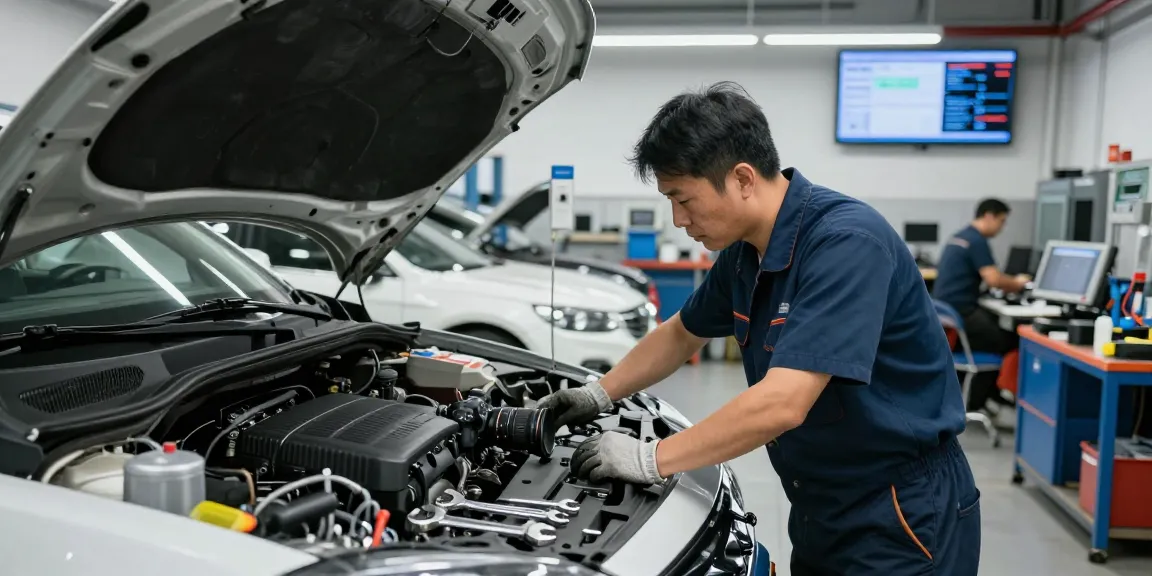
Shop Repairs Reviewed: A Comprehensive 2026 Breakdown
Understanding the Basics of Shop Repairs
When it comes to maintaining your vehicle, understanding the fundamentals of shop repairs is essential. These repairs go beyond mere convenience; they are crucial in ensuring the longevity and safety of your car. Whether it’s a minor oil change or a significant engine overhaul, knowing what shop repairs entail helps you make informed decisions about vehicle maintenance. For readers looking for specific information and insights, Shop repairs provide valuable resources that can guide you through various options available in the market.
What Are Shop Repairs?
Shop repairs refer to a wide range of services carried out to correct, maintain, or improve the functionality of a vehicle. This includes everything from routine maintenance, such as oil changes and brake replacements, to more extensive repairs involving the engine or transmission. Automotive repair shops, commonly referred to as auto repair shops, typically offer these services and employ skilled mechanics trained to diagnose and fix various issues.
Common Types of Shop Repairs
- Oil Changes: Regular oil changes are vital for engine longevity, often recommended every 5,000 to 7,500 miles.
- Brake Services: Brake pad replacements and system inspections ensure safety and performance, especially if you notice squeaking or decreased responsiveness.
- Tire Services: Services such as rotation, balancing, and alignment help in enhancing tire lifespan and vehicle handling.
- Engine Diagnostics: Modern vehicles employ sophisticated diagnostic tools to pinpoint issues quickly, making repairs more efficient.
- Transmission Repairs: Transmission services, including fluid changes and repairs, are crucial for vehicle performance and longevity.
Importance of Regular Maintenance
Regular maintenance is vital to avoiding costly repairs down the road. Neglecting routine checks can lead to larger issues that could jeopardize safety and performance. Following the recommended maintenance schedule laid out in your vehicle’s user manual can help catch potential problems early, ensuring your car remains in peak condition.
Choosing the Right Shop for Your Repairs
When selecting an auto repair shop, it’s essential to consider several factors that can affect the quality of service you receive. Not all repair shops are created equal, and taking the time to choose the right one can lead to better outcomes for your vehicle.
Factors to Consider When Selecting an Auto Repair Shop
- Reputation: Look for shops with strong community ties and positive reviews from previous customers.
- Certifications: Ensure the shop employs certified technicians, such as ASE (Automotive Service Excellence) certified mechanics.
- Services Offered: Verify that the shop specializes in the repair services you require.
- Warranty: A good repair shop should offer warranties on their work and parts, providing peace of mind for customers.
Evaluating Shop Credentials and Experience
Beyond the initial impression, evaluating a shop’s credentials and experience can significantly impact your repair experience. Researching the shop’s history, years in business, and any awards or recognitions can give insight into their reliability and expertise.
Customer Reviews and Recommendations
Word of mouth remains one of the most powerful tools for finding a reputable auto repair shop. Seek recommendations from friends, family, or online platforms where customers leave reviews. Websites like Yelp or Google Reviews can provide insight into customer experiences, helping you gauge the quality of service provided.
Executing Successful Shop Repairs
Once you’ve selected a repair shop, executing successful repairs involves understanding the process and being prepared. Knowing what to expect can reduce anxiety and enhance your overall satisfaction with the service.
Step-by-Step Guide to Common Repairs
- Identify the Problem: Understand symptoms before visiting the shop.
- Get an Estimate: Request a detailed estimate that outlines parts and labor costs.
- Approve Repairs: After reviewing the estimate, give your approval for repairs to begin.
- Review Work Done: Once repairs are complete, review the work and ensure everything is functioning correctly.
Tools and Equipment Needed for Effective Repairs
While many repairs are done by professionals, knowing some common tools can aid you in understanding the repair process. Essential tools include:
- Wrenches and Sockets: For various nuts and bolts.
- Jack and Jack Stands: Essential for lifting the vehicle safely.
- Diagnostic Tools: OBD-II scanners that provide vehicle diagnostics.
- Oil Filter Wrench: Used for easy oil changes.
Best Practices for Self-Repair Enthusiasts
For those interested in DIY repairs, it’s critical to follow best practices to ensure safety and efficiency. Utilizing proper tools, following manufacturer guidelines, and prioritizing safety measures, such as wearing gloves and goggles, can lead to successful outcomes in your repairs.
Costs Associated with Shop Repairs
Understanding the financial aspects of shop repairs is essential for budgeting and avoiding surprises. This section will provide insights into what costs to expect during your next visit.
Understanding Repair Estimates and Quotes
When seeking repairs, getting an estimate is a crucial first step. Be sure to ask for a detailed written estimate that breaks down parts, labor, and any additional fees. This transparency can help you understand the repair’s scope and cost.
Hidden Costs to Watch For
Be cautious of hidden fees that can arise during repairs. Common hidden costs include:
- Diagnostic fees that may not be included in the initial quote.
- Additional repairs identified during service.
- Taxes and shop fees that can add to your total billing.
What Increases Repair Costs?
Several factors can contribute to increased repair costs, including the severity of the issue, the make and model of the vehicle, and the quality of parts used. Understanding these factors can help you make informed decisions when faced with repair estimates.
Future Trends in Shop Repairs for 2026 and Beyond
The automotive repair industry is ever-evolving, with emerging trends that influence how services are rendered. Staying informed about these trends can position you well for future vehicle maintenance.
Emerging Technologies in Automotive Repair
Innovations such as advanced diagnostics, artificial intelligence, and telematics are set to revolutionize auto repair. These technologies can improve accuracy in diagnostics and streamline the repair process.
Changing Customer Expectations
Today’s consumers increasingly expect transparency, speed, and convenience. Repair shops will need to adapt to meet these rising expectations by improving communication and leveraging technology for better service delivery.
Eco-Friendly Practices in Shop Repairs
With a growing emphasis on sustainability, auto repair shops will increasingly adopt eco-friendly practices. This includes using environmentally friendly products and implementing recycling programs for hazardous materials.
What Should I Expect During Shop Repairs?
During your repair visit, expect to discuss the problem with the mechanic, review the estimate, and possibly authorize additional work if further issues are identified. It’s also common to inquire about timelines for completion.
How Can I Know if a Shop is Reputable?
Look for certifications, customer reviews, and shop warranties. A reputable shop will not hesitate to provide you with references and be transparent about their qualifications.
What Are Some Common Shop Repair Scams?
Be cautious of shops that use scare tactics to upsell services or offer overly low estimates that don’t match common pricing for parts and labor.
How Often Should I Take My Vehicle for Shop Repairs?
Most vehicles benefit from regular maintenance every 5,000 to 7,500 miles, but more frequent inspections may be necessary for older vehicles or those with specific issues.
What Preventative Maintenance Can I Perform at Home?
You can perform basic maintenance at home, such as checking tire pressure, changing oil, and replacing air filters. These small tasks can significantly extend your vehicle’s lifespan and reduce the need for extensive shop repairs.