
The Evolution of thestorybookstomach.com: From Family Meals to 2026
The Importance of Family Stories Through Food
At the heart of every family lies a rich tapestry of stories, many of which are intricately woven with the meals we share. Food is more than just sustenance; it represents culture, love, and shared experiences. When we gather around the table, we do more than eat—we create lasting memories that can be retold for generations. This connection between meals and memories is pivotal in shaping our children’s understanding of their heritage and family values. When exploring options, thestorybookstomach.com provides comprehensive insights into how to effectively blend food with storytelling to enhance family experiences.
Understanding the Connection Between Meals and Memories
Imagine the aroma of homemade spaghetti sauce filling the kitchen as you share stories from your childhood. These sensory experiences are powerful; they trigger memories linked to love, comfort, and togetherness. Studies have shown that meals eaten together can strengthen family bonds and foster open communication. Whether it’s a holiday feast or a simple weeknight dinner, each meal provides a platform for storytelling. These interactions are not only enjoyable but essential in teaching children about their roots and values.
How Food Can Enhance Storytelling for Kids
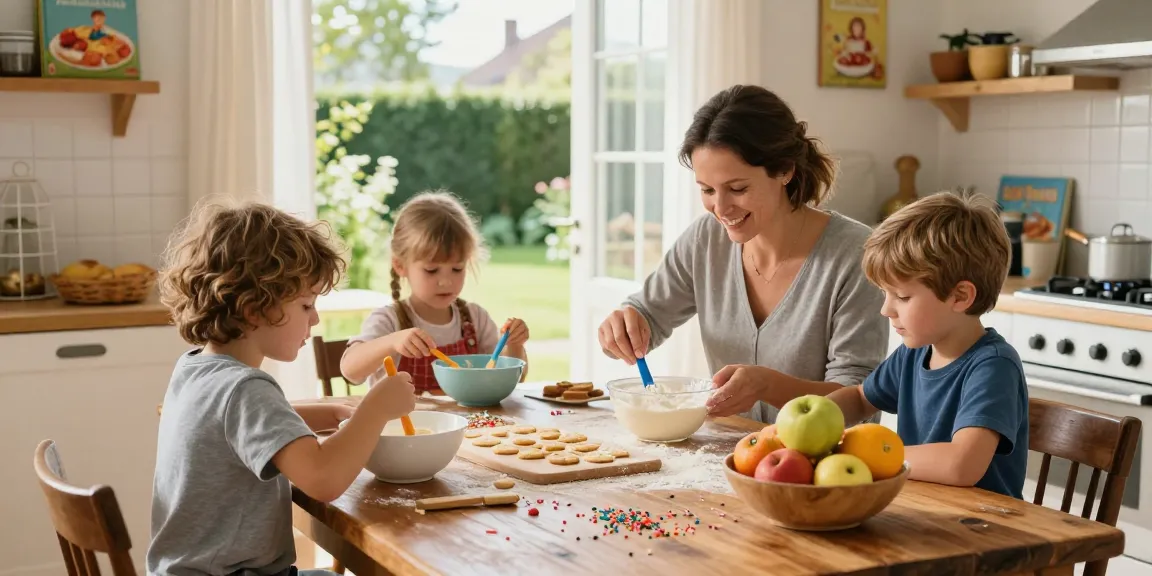
Incorporating food into storytelling provides a multisensory method to engage children. Cooking a family recipe can turn into an educational adventure, teaching kids about measurements, cultures, and even history as they learn why the recipe is significant. Encouraging children to participate in meal preparation fosters a sense of accomplishment and a deeper connection to their family’s traditions. By allowing them to narrate their own stories associated with the food being prepared, parents can further enhance their children’s storytelling abilities.
Incorporating Family Traditions into Meal Preparation
Every family has its unique set of traditions. Incorporating these rituals into meal preparation not only makes cooking fun but also reinforces family identity. This could involve anything from using specific utensils passed down through generations to reciting a family prayer or blessing before meals. These practices not only make the food taste better but also instill a sense of belonging and pride in children’s hearts. Engaging children in these traditions helps them appreciate their family’s heritage and creates stories they will cherish and pass on.
Innovative Learning Activities to Engage Children
Educational activities don’t have to be limited to the classroom. Engaging children in learning can be seamlessly integrated into cooking sessions, where they can learn new vocabulary, math skills, and important life lessons through playful methods. These innovative activities are not just fun; they create meaningful connections between learning and real-life experiences.
Creative Ways to Teach Vocabulary Through Cooking
Cooking provides a rich environment for teaching new words, particularly those related to food, measurement, and action verbs. As you measure ingredients or chop vegetables, narrate what you are doing. Encourage your children to describe the colors, textures, and smells of the ingredients. This not only builds their vocabulary but also enhances their descriptive language skills. Using fun, themed cooking nights can further enhance learning—picture a taco night, where you might introduce words related to Mexican culture and cuisine.
DIY Educational Crafts That Pair with Family Meals
Coupling meals with DIY crafts can turn even the simplest cooking experience into an exciting educational adventure. For example, after preparing a pizza, children can create their own “pizza art” by using various colors and textures of paper to design their ideal pizza. Such activities reinforce fine motor skills and creativity while keeping the engagement centered around family meals. These crafts can serve as conversation starters, leading to storytelling and bonding moments.
Fun Learning Games to Reinforce Numbers During Cooking
Cooking is a great way to incorporate math skills in a fun and engaging way. You can create games around ingredient measurements or cooking times—ask your child how many cups of flour are needed, or how they can divide a recipe in half. These playful challenges not only teach children about numbers but also help them appreciate the precision required in cooking. By gamifying these activities, parents can enhance their child’s love for numbers while preparing delicious meals together.
Efficient Meal Planning for Busy Families
With the hustle and bustle of modern family life, meal planning can often be a daunting task. However, with some strategies in place, busy parents can simplify the process, ensuring nutritious meals are always on the table. Efficient meal planning supports family well-being and provides opportunities for bonding through shared cooking experiences.
Time-saving Tips for Preparing Family Dinners
Batch cooking is one of the best strategies for families. Dedicate a few hours each week to prepare meals in bulk. For instance, cooking a large pot of stew can yield enough servings for two dinners and a lunch. Invest in quality storage containers to simplify the freezing process. Utilizing slow cookers or pressure cookers can also save valuable time during hectic weekdays. Planning menus in advance not only saves time but also reduces the stress of daily dinner dilemmas.
Healthy Recipe Ideas for Tired Evenings
When exhaustion sets in, healthy meals can still be quick and satisfying. Recipes like stir-fried vegetables with chicken or one-pan roasted veggies and fish can be on the table in under 30 minutes. Incorporating pre-prepped ingredients can also ease the cooking process—think pre-chopped veggies or ready-to-cook proteins. With a little planning, families can enjoy nutritious meals without spending hours in the kitchen at the end of a long day.
Batch Cooking: A Guide for Busy Moms
Batch cooking allows busy families to prepare meals in advance, ensuring a steady flow of healthy options throughout the week. Consider dedicating Sundays to meal prep; cooking large quantities of grains, proteins, and vegetables that can be mixed and matched throughout the week. Labeling containers clearly can save time during dinner prep while also allowing children to learn about organization and planning. This strategy not only caters to busy schedules but also equips kids with essential cooking skills they’ll benefit from in the future.
Navigating Parenting Styles for Modern Families
The diverse landscape of contemporary parenting styles can be overwhelming for many parents. Understanding your approach and adapting it to your family’s needs is crucial for raising happy and well-rounded children. With evolving research and societal changes, parents must navigate these styles thoughtfully.
Identifying Your Parenting Style and Its Impact
Understanding your parenting style—be it authoritative, permissive, or uninvolved—can help you identify the best strategies for your family. Each style has its advantages and disadvantages, influencing children’s development and behavior. For example, while authoritative parenting emphasizes a balance of structure and support, permissive parenting might foster creativity but could lead to less discipline. Reflecting on your style encourages open dialogue with your partner, ensuring a united front in navigating parenting challenges.
Positive Parenting Techniques for Diverse Family Needs
Positive parenting emphasizes nurturing communication, empathy, and connection with children. Techniques like active listening, validating emotions, and using positive reinforcement instead of punishment can foster family harmony. When conflicts arise, encouraging open communication allows children to express their feelings and work through disagreements. This leads to a more emotionally intelligent child who feels secure within the family unit.
Fostering Family Harmony Among Siblings
Sibling rivalry is common in many families, but it can be managed with effective techniques. Encourage team activities, fostering collaboration rather than competition. Set aside time for individual bonding with each child, which can help mitigate jealousy. Establish family rules for conflict resolution, ensuring siblings feel empowered to voice their concerns. Clear guidelines about behavior, respect, and communication can help siblings appreciate one another, creating a more cohesive family unit.
Future Trends in Parenting and Family Engagement by 2026
As society continues to evolve, so do parenting styles and family dynamics. The trends emerging today offer insights into the best approaches for fostering growth and development in children. Staying updated on these trends can provide families with the tools they need to adapt and thrive.
Emerging Educational Techniques for Home Learning
The rise of online learning resources has transformed the way children engage with education. Hybrid models that blend home learning with technology are becoming increasingly popular. Families are utilizing apps and online platforms to supplement traditional learning. This shift allows parents to tailor educational experiences to their child’s interests and strengths, ultimately encouraging lifelong learning habits.
Predictions on Family Meal Trends and Healthy Eating
As we approach 2026, family meal trends are shifting toward healthier, convenient options. Plant-based diets are gaining traction, with families looking for innovative ways to incorporate fruits and vegetables into meals. Meal kits that offer balanced, quick meal solutions are becoming increasingly popular, allowing families to explore new cuisines without the hassle of grocery shopping. Emphasizing sustainable practices in food preparation will also shape family meals in the coming years.
The Role of Digital Storytelling in Family Life
Digital storytelling is revolutionizing the way families share and preserve memories. From creating digital photo albums to utilizing social media platforms, families are engaging in storytelling in ways previously unimaginable. Encouraging children to craft their digital narratives cultivates creativity and offers an avenue to express their experiences. As technology continues to advance, families will likely find innovative ways to share their stories, ensuring that the essence of family bonds remains vital in this digital age.
What are some easy recipes for busy parents?
For busy parents, recipes that require minimal preparation time yet offer nutrition and flavor are ideal. One-sheet meals, stir-fried vegetables with lean proteins, or slow-cooked stews can save time while also pleasing picky eaters. These options allow families to enjoy home-cooked meals without the stress of complicated recipes.
How can food bring families closer together?
Food can act as a catalyst for connection, bringing families closer through shared experiences. By preparing meals together, families engage in collaborative activities that foster communication, creativity, and bonding. Whether it’s cooking a family recipe or trying something new, the act of sharing food paves the way for storytelling and relationship-building.
What educational crafts can I do with my kids?
Educational crafts can include activities such as building a model of a food pyramid, creating a recipe book, or even designing an apron. These crafts reinforce lessons learned in the kitchen while promoting creativity. They can also be tailored to fit seasonal themes or special occasions, enhancing the craft’s appeal.
How do I manage meal planning with a busy schedule?
Managing meal planning involves creating a weekly menu, grocery shopping efficiently, and batch cooking. Setting aside a specific time each week to plan meals can streamline the process and reduce last-minute stress. Utilizing apps or spreadsheets can help keep track of ingredients needed and recipes planned, ensuring a smooth week ahead.
What parenting styles are effective in 2026?
Effective parenting styles in 2026 will likely emphasize a balance between guidance and independence. Authoritative approaches that involve clear expectations yet promote emotional support will continue to resonate. Parents who adapt their strategies to meet their children’s evolving needs will likely enhance family dynamics and relationships.