
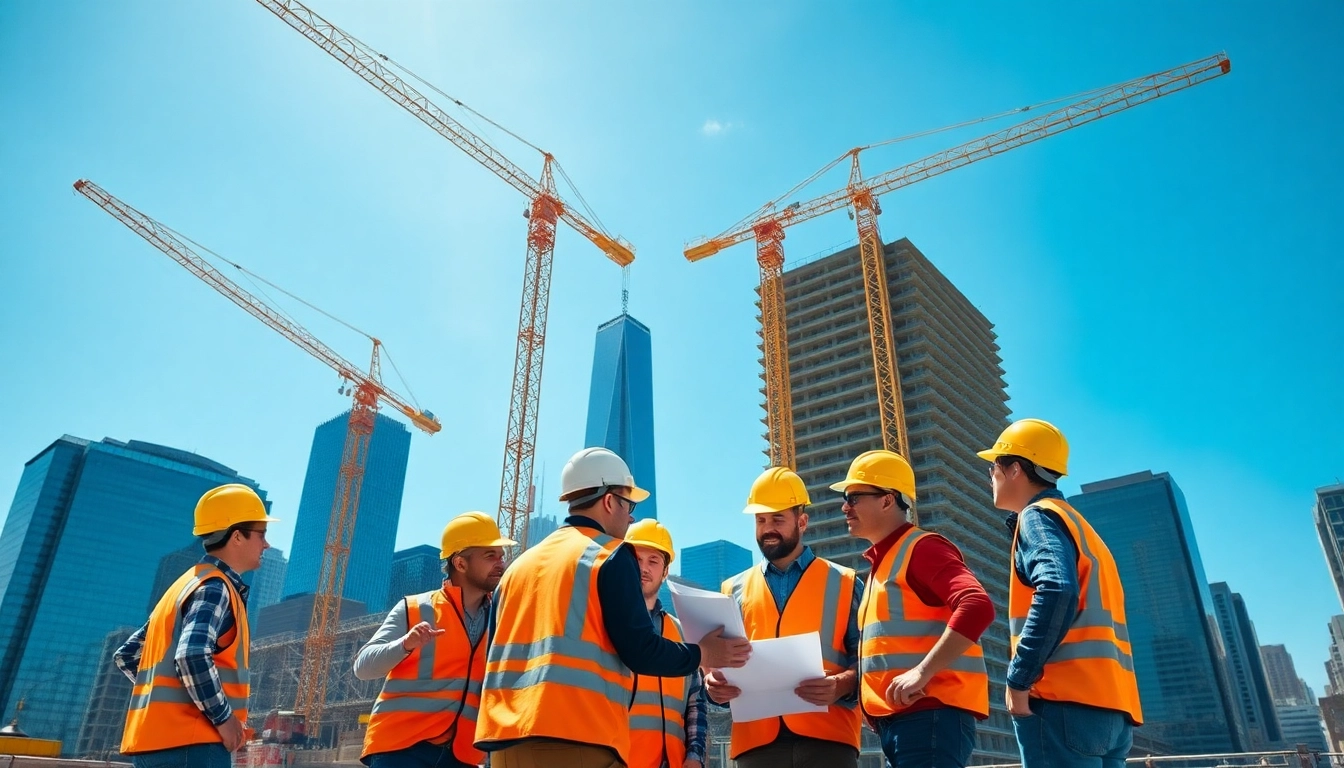
Top Qualities to Look for in a New York City Commercial General Contractor
- Understanding the Role of a New York City Commercial General Contractor
- How to Choose the Right New York City Commercial General Contractor
- Common Challenges Faced by Commercial Contractors in NYC
- Best Practices for Successful Construction Projects
- Future Trends in Commercial Contracting in New York City
- FAQs
Understanding the Role of a New York City Commercial General Contractor
Definition and Responsibilities
A New York City Commercial General Contractor plays a pivotal role in the construction industry, serving as the primary point of contact throughout the project lifecycle. Their responsibilities extend well beyond mere supervision; they are the orchestrators of an intricate ensemble that includes subcontractors, suppliers, and labor forces. From initial planning stages to final inspections, they ensure that each phase of the construction adheres to predetermined timelines, budgets, and quality standards. The contractor is also responsible for securing necessary permits, ensuring compliance with building codes, and addressing any unforeseen issues that arise during the construction process.
The Importance of Project Management
Effective project management is at the heart of successful construction. A commercial general contractor must adeptly navigate between various aspects of the construction project, including scheduling, budgeting, resource allocation, and risk management. They employ tools and methodologies that allow them to monitor progress, maintain open lines of communication with all stakeholders, and adapt to changing circumstances. By employing robust project management practices, contractors can enhance the efficiency of operations and deliver projects on time and within budget.
Key Skills and Qualifications
To excel as a New York City Commercial General Contractor, certain skills and qualifications are essential. These include a solid understanding of construction methods, materials, and legal regulations. A degree in construction management or a related field is often preferred, along with certifications like the Project Management Professional (PMP) or OSHA safety certification. Communication, negotiation, and leadership skills are crucial for managing teams and liaising with clients. Additionally, familiarity with construction software tools can greatly enhance the efficiency of project execution.
How to Choose the Right New York City Commercial General Contractor
Evaluating Experience and Expertise
When selecting a commercial general contractor, their experience and expertise are paramount. Potential clients should look for contractors with a proven track record in successfully completing projects similar in scope and complexity. This includes considering their experience with local regulations, building codes, and the unique challenges that come with construction in New York City. A detailed review of previous projects, including timelines and costs, can provide insight into the contractor’s capability and reliability.
Assessing Client References and Reviews
Client references and reviews serve as invaluable resources during the selection process. Prospective clients should request references from previous clients and take the time to verify their experiences. Furthermore, examining online reviews can shed light on the contractor’s reputation within the community. This feedback can highlight strengths, weaknesses, and potential red flags regarding the contractor’s performance and customer service.
Comparing Cost Estimates and Value
While cost is a critical factor in choosing a New York City Commercial General Contractor, it should not be the only consideration. Clients should seek multiple estimates and compare the value offered alongside the cost. A slightly higher price may be justified by higher-quality materials, more reliable timelines, or superior project management practices. Carefully scrutinizing each bid in relation to the overall value can lead to better long-term satisfaction.
Common Challenges Faced by Commercial Contractors in NYC
Dealing with Regulatory Compliance
New York City is known for its stringent building regulations and compliance requirements. For commercial general contractors, navigating this complex landscape can be challenging. Ensuring adherence to local zoning laws, safety standards, and environmental regulations can significantly complicate project timelines. It is essential for contractors to stay informed about changes in legislation and to work closely with regulatory bodies to ensure compliance.
Navigating Budget Constraints
Budget constraints are a common challenge faced by contractors. Costs associated with labor, materials, and unexpected delays can strain project budgets. Effective budgeting and financial planning can mitigate these challenges. A contractor should have contingency plans in place to address potential issues without derailing the entire project. Transparent communication with clients about budgetary constraints is crucial for setting realistic expectations.
Managing Client Expectations
Client expectations can sometimes exceed the realistic capabilities of contractors, leading to misunderstandings and frustrations. To manage expectations effectively, contractors must communicate clearly about project timelines, costs, and the potential for unforeseen issues. Regular progress updates and open lines of communication foster trust and transparency between the contractor and the client.
Best Practices for Successful Construction Projects
Effective Communication Strategies
Communication is the cornerstone of any successful construction project. Implementing effective communication strategies ensures that all team members are on the same page and that stakeholders are kept informed of progress and issues as they arise. Regular meetings, status reports, and the use of collaborative project management tools can enhance communication. Establishing clear channels for feedback can further improve team dynamics and project outcomes.
Utilizing Technology for Construction Management
Technology has transformed the landscape of construction management. Embracing software solutions for project management, budgeting, and scheduling can streamline operations significantly. Tools such as Building Information Modeling (BIM) allow contractors to visualize the project in a 3D space, improving accuracy and efficiency. Likewise, mobile applications can facilitate real-time communication between team members, enhancing productivity on-site.
Prioritizing Safety Measures on Site
Safety is of utmost importance in the construction industry, especially in high-traffic urban environments like New York City. General contractors must prioritize safety by implementing comprehensive safety protocols, conducting regular training for workers, and ensuring compliance with OSHA regulations. A culture of safety not only protects workers but also contributes to the project’s overall efficiency and quality.
Future Trends in Commercial Contracting in New York City
Embracing Sustainable Building Practices
Sustainability is becoming increasingly important in the construction industry. The demand for green buildings has led many contractors to adopt sustainable building practices. This includes utilizing eco-friendly materials, optimizing energy efficiency, and seeking LEED certification where possible. Embracing these practices not only fulfills social responsibility but can also lead to cost savings in the long run.
The Impact of Smart Technology
The integration of smart technology into construction practices is reshaping the industry. From smart sensors that monitor construction site conditions to advanced project management software that facilitates better planning, the potential for technology to improve efficiency and effectiveness is immense. Contractors who adapt to these technological advancements can gain a competitive edge in the marketplace.
Adapting to Market Changes
The commercial contracting environment in New York City is dynamic, influenced by market trends, economic fluctuations, and shifts in consumer demand. To remain competitive, contractors must be agile and willing to adapt to these changes. This may involve diversifying service offerings, exploring new markets, or incorporating innovative construction techniques. Staying ahead of market trends is essential for long-term success.
FAQs
What is a commercial general contractor?
A commercial general contractor is responsible for overseeing construction projects from conception to completion, managing budgets, schedules, and subcontractors while ensuring compliance with regulations.
How can I find a reliable contractor in NYC?
Look for contractors with good reviews, ask for references, compare their experience with similar projects, and assess their responsiveness to client inquiries.
What factors affect construction costs in NYC?
Factors include labor rates, material costs, site conditions, project complexity, regulatory fees, and market demand. Detailed budgeting is essential to manage these costs effectively.
Why is project management essential in construction?
Project management ensures that construction projects are completed on time, within budget, and to quality standards by coordinating resources and communication among stakeholders.
What is the significance of safety in construction?
Safety in construction prevents accidents and injuries, protecting workers and minimizing liability. A strong safety culture can enhance project efficiency and public trust.